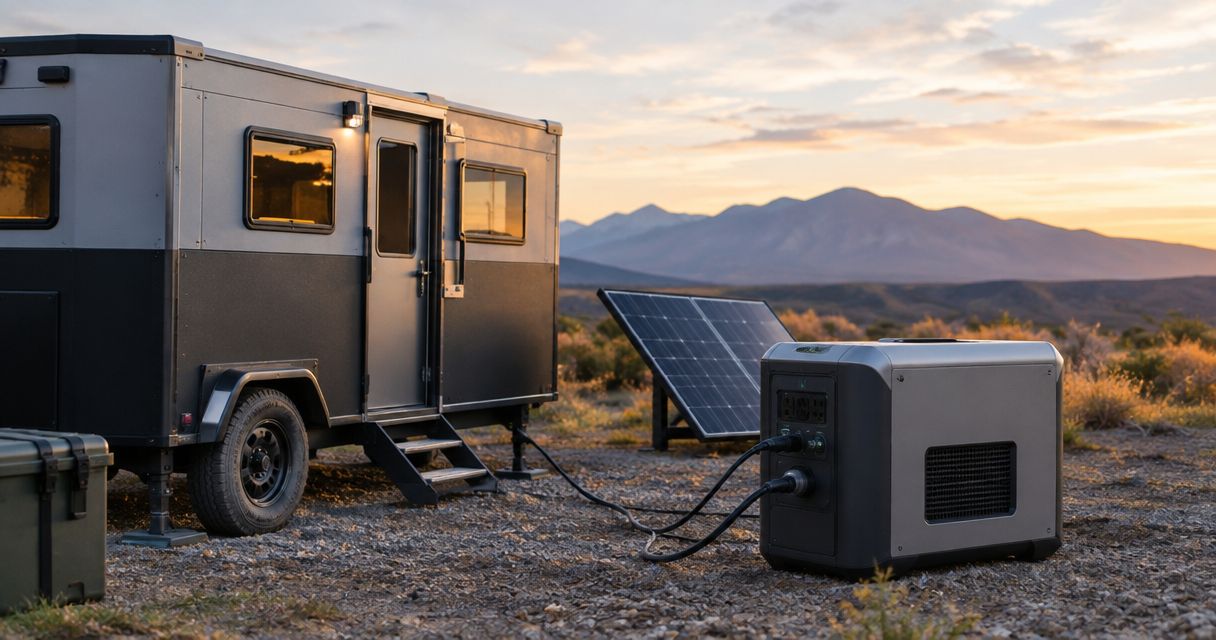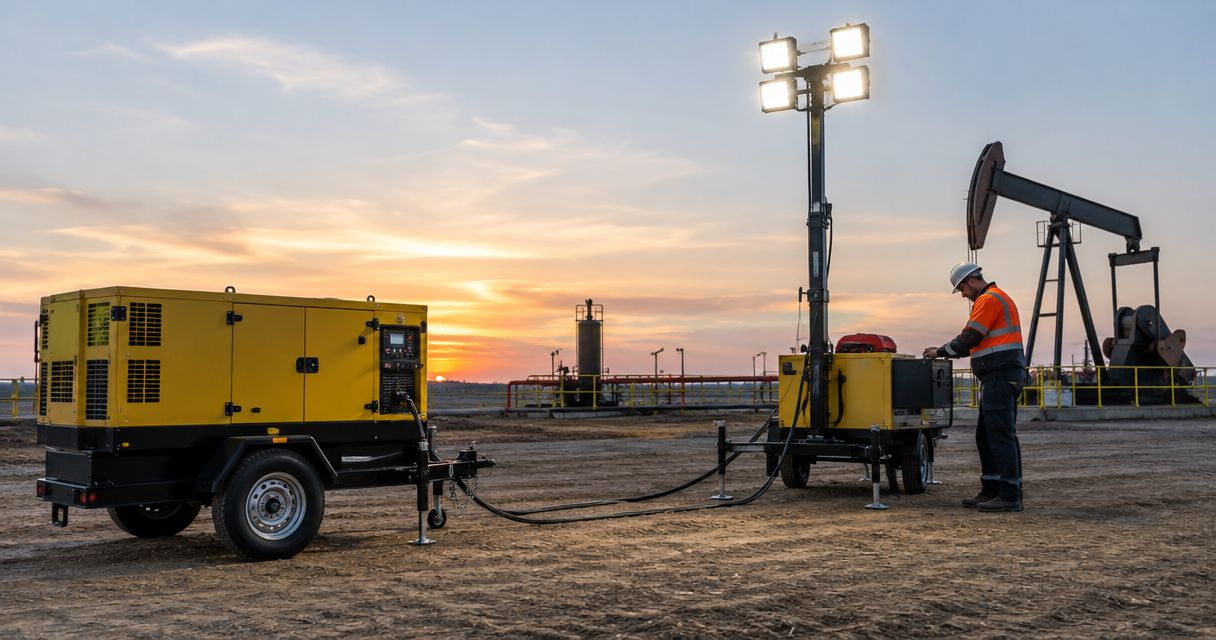
Plan North Dakota oilfield electrical permitting around a project-specific confirmation, not a fixed statewide day count. For a 2026 project, have your licensed electrical contractor confirm the permit requirements, inspection sequence, and any utility release before you commit to an energization date. A permit filing does not establish when the site can receive power.
- Oilfield electrical permitting time North Dakota: confirm the project schedule before committing to startup.
- Separate permit filing, inspection clearance, and utility energization in your work schedule.
- Eagle Electric serves Bakken oilfield operators; a quote response is not a permit approval.
- Resolve hazardous-location requirements and changes to the electrical scope before scheduling affected work.
Why this matters
Your startup schedule needs more than a line that says permits. It needs a named person responsible for each approval, a clear description of the electrical work, and confirmation of what must happen before energization. Otherwise, a submitted application can get mistaken for a cleared job.
Start with the oilfield electrical services guide if you are still defining the work. Separate the electrical installation from the broader drilling or production schedule. The electrician needs the actual load, equipment locations, power source, and operating conditions—not just the planned startup date.
For your 2026 schedule, label every date as requested, estimated, or confirmed. Those words prevent an internal target from becoming a promise to the field crew.
How long does oilfield electrical permitting take in ND?
Use the timeframe confirmed for your specific site and scope. Do not treat a contractor's response time, a permit submission date, an inspection request, and permission to energize as interchangeable milestones.
Ask your licensed electrical contractor to identify the applicable permitting and inspection authority for the work. Where utility service is involved, ask the serving utility to confirm its requirements separately. Keep those answers in the same project record.
| Milestone | What you need to confirm | What it does not establish |
|---|---|---|
| Scope review | Equipment, loads, locations, and the proposed power source | That the electrical design is complete |
| Permit filing | Required submission, responsible party, and filing status | That an inspection has passed |
| Inspection coordination | Required inspection stages and how to request them | That corrections will not be needed |
| Inspection clearance | The applicable authority's acceptance of the inspected work | That utility work is complete |
| Energization coordination | Required releases, utility readiness, and site readiness | That production equipment has completed commissioning |
This distinction matters when someone asks whether the permit is done. Ask which milestone they mean. A useful answer names the completed step, the outstanding requirement, and who owns the next action.
Do not publish an internal startup commitment against an unconfirmed inspection appointment. Put the appointment status beside the date so the superintendent, operator, and electrical contractor are working from the same information.
Build the schedule before you promise power
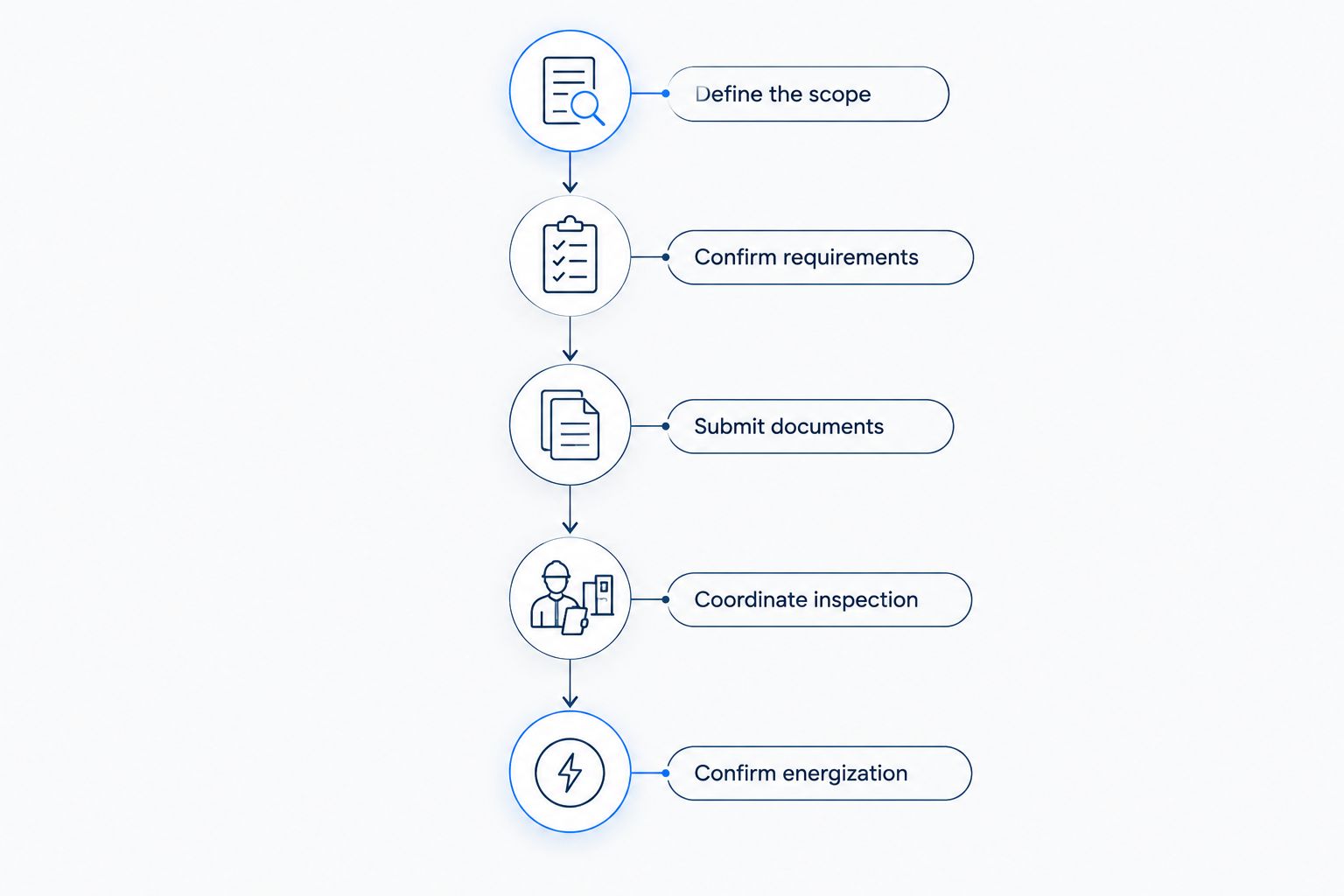
Use this sequence to turn a general permitting question into a usable work plan. These are coordination steps, not instructions for performing electrical work. A licensed electrician must determine the installation requirements, and an on-site inspection is needed to assess existing conditions.
Define the scope
Describe what is being installed, changed, relocated, or reconnected. Identify whether the work involves temporary distribution, permanent wiring, a service change, or equipment connections. Include the site location and the person authorized to approve changes.
Do not rely on a description such as power for the pad. List the equipment and provide its electrical information. Include existing drawings when available, but flag anything that no longer matches the field installation.
Confirm requirements
Have the electrical contractor establish the permit and inspection requirements for the actual scope. Ask who files, what supporting information is needed, and which work must remain accessible for inspection.
If utility service is part of the job, identify the utility contact and its required documents. Do not assume the electrical permit process also schedules service construction or a connection crew.
Submit documents
Assign responsibility for the submission and record its status. Keep the submitted scope, drawings, equipment information, and subsequent revisions together. A forwarded email without the attachment is not a complete project record.
For a 2026 project, use the requirements confirmed for that project rather than copying an old job folder unchanged. Site conditions and scope still need review, even when the equipment looks familiar.
Coordinate inspection
Have the contractor confirm when inspections are required and how requests are handled. Coordinate site access, escort requirements, and the person who can answer questions about the installation.
Ask how any corrections will be documented and closed. Do not schedule follow-on work that hides electrical work before the contractor confirms that covering it is permitted.
Confirm energization
Before scheduling startup, obtain confirmation of the required inspection clearance, utility release where applicable, and electrical readiness. Assign a qualified person to coordinate the energization activity with site operations.
Do not use an application receipt as permission to energize. Keep the actual clearance or release in the job record and identify any remaining operating restrictions.
Why the permitting schedule varies by project
The practical question is not simply how fast an application moves. It is whether the information, installation, and required approvals are ready for the next step. Review these factors before accepting a date:
- Scope completeness. Equipment additions, changed loads, or a different power source require the contractor to reassess the affected work. Get the scope settled before treating the schedule as confirmed.
- Existing conditions. An existing panel, feeder, or grounding arrangement needs assessment before you assume it can serve new equipment. Arrange an on-site evaluation instead of making that decision from a photograph.
- Hazardous-location requirements. Oilfield equipment locations need appropriate classification review. Have qualified personnel establish the applicable requirements before selecting or relocating electrical equipment.
- Inspection coordination. Confirm the required stages, request procedure, site access, and correction process. Keep the inspection request separate from a confirmed appointment.
- Utility coordination. Where utility work or release is required, obtain its status directly through the responsible project contact. Contractor readiness does not confirm utility readiness.
- Scope changes. Record changes to equipment, routing, or connections and have the contractor determine their effect on permits, inspection, and scheduling. Do not leave field changes outside the written scope.
None of these factors supports guessing a duration. Each one supports a specific question that your contractor or the responsible authority can answer.
What should you send with an oilfield electrical quote request?
Give the contractor enough information to identify the work and the next questions. A useful request includes the site location, a scope description, the requested operating date, and a reachable site contact. Attach equipment information and existing drawings when available.
For equipment information, provide nameplate photographs taken safely from an accessible location. Do not open electrical enclosures, remove covers, or approach exposed energized parts to obtain a better picture. Leave internal inspection to qualified personnel.
Your request should also identify:
- Whether you need temporary power, permanent service, or a change to existing wiring.
- Whether the proposed work is near process equipment or a classified location.
- Whether the utility has already assigned a project contact.
- Whether existing electrical equipment is damaged, disconnected, or undocumented.
- Which date is a business target and which dates have written confirmation.
A complete quote request supports a clear scope; it does not replace an on-site assessment. Ask the contractor which conditions still need verification before the work can be scheduled.
Who should own the permitting schedule?
Assign a single project contact to maintain the schedule, while keeping technical and approval responsibilities with the appropriate parties. That contact should collect updates rather than interpret electrical requirements.
The electrical contractor should identify the electrical scope and its permitting responsibilities. The applicable authority confirms its inspection and acceptance requirements. The serving utility confirms its own requirements where utility service is involved. Site operations coordinates access and operational restrictions.
For your 2026 work plan, record each outstanding item with its owner, current status, and next action. A short written list is more useful than several conflicting verbal updates.
Ask these questions at each coordination meeting:
- What has actually been submitted or accepted?
- Which date is confirmed, and by whom?
- What information or work remains outstanding?
- Has the electrical scope changed?
- What prevents the next step from being scheduled?
Avoid asking only whether everything is on track. That question invites a general answer when you need a specific dependency.
Does temporary power let you bypass permitting?
Do not treat temporary power as an exemption from electrical requirements. Have a licensed electrical contractor confirm the requirements for the proposed temporary installation, including connections, grounding, protection, and any hazardous-location considerations.
Temporary equipment also needs a defined operating arrangement. Identify who controls it, how it will be isolated, and how the eventual transition to permanent power will be managed. Do not connect temporary and permanent sources without an approved arrangement and qualified electrical work.
Temporary power can serve a different project phase, but it is not proof that permanent service is cleared. Keep the temporary installation and permanent installation separately identified in your scope and schedule.
Does a permit mean you can energize the site?
A permit is not a substitute for the inspection clearance and releases required for your installation. Ask the contractor to identify the exact conditions that must be satisfied before power is applied.
Keep commissioning separate as well. Electrical energization does not, by itself, confirm that a pump, control system, or process is ready for operation. Coordinate equipment-specific checks with the responsible qualified personnel and site operator.
If the job changes after submission, stop treating the original paperwork as a complete description of the installation. Have the contractor determine what needs updating before affected work proceeds.
Get a written scope, not a startup promise
Eagle Electric is a fit for Bakken oilfield operators who need a licensed electrical contractor based in Watford City. Eagle Electric provides oilfield electrical contracting services and responds to quote requests the same business day. Ask for a clear written quote that separates the proposed work from conditions still requiring verification.
That response commitment is not a promise of same-day job completion, permit approval, or utility connection. Eagle Electric's oilfield electrical service is the contractor's work; acceptance and utility decisions remain with the responsible parties. Keep those boundaries clear when you set the schedule.
Use the Eagle Electric website to start your request. Include the location, equipment scope, site contact, and requested operating date. Ask what must be confirmed before an energization date can be committed.
FAQ
How long does oilfield electrical permitting take in North Dakota?
Use the timeframe confirmed for your specific site and electrical scope. Have your licensed electrical contractor distinguish permit filing, required inspections, corrections, and any utility release before you commit to startup.
Can I get a guaranteed permit date before the site is inspected?
Do not treat an unconfirmed permit or inspection date as guaranteed. Have the contractor identify what requires an on-site assessment and obtain scheduling confirmation from the responsible authority.
Does temporary oilfield power need a permit?
Have a licensed electrical contractor confirm the permit and inspection requirements for the specific temporary installation. Temporary power is not a reason to bypass electrical safety requirements or connect equipment without qualified review.
Can the utility energize the site as soon as the permit is filed?
Permit filing alone does not establish readiness for utility energization. Confirm the required inspection clearance, utility requirements, and site readiness through the responsible project contacts.
What should I send an oilfield electrician before asking about timing?
Send the site location, electrical scope, equipment information, requested operating date, and site contact. Include existing drawings when available and identify any temporary power or hazardous-location concerns.
Does Eagle Electric's same-business-day response mean the work finishes that day?
Eagle Electric's same-business-day response applies to quote requests, not job completion. The work schedule depends on the confirmed scope, site assessment, required approvals, and coordination with the responsible parties.
One last thing
For a 2026 startup meeting, replace the question about whether the permit is done with this: What written confirmation authorizes the next step? That question separates a filed document from an accepted installation and an accepted installation from a scheduled energization.
Put the answer beside the date in your work plan. If the confirmation is still outstanding, label the date accordingly. Your crew needs a dependable sequence, not a confident guess.