
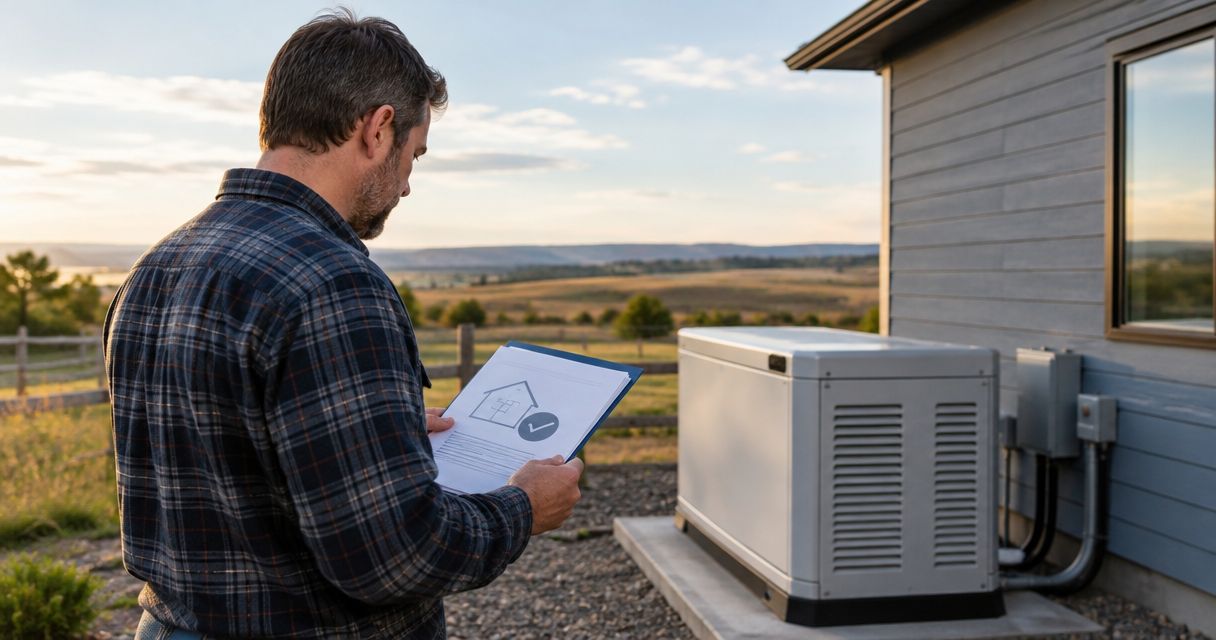
You need a project-specific answer from the approving authority to know how long a generator installation permit will take in North Dakota. Permit processing is separate from installation, inspection scheduling, and utility coordination. Before you set a start date in 2026, have a licensed electrician confirm the requirements for your address and proposed equipment.
- Generator installation permit time North Dakota: confirm the timeline with the authority responsible for your specific project.
- A submitted application is not the same as permission to start work or operate the generator.
- Eagle Electric serves Bakken homeowners and businesses needing licensed electrical contracting, not guaranteed permit turnaround.
- Keep permit review, installation, utility coordination, and inspection dates separate in your written schedule.
Why this matters
A generator sitting beside your building is not the same as usable backup power. The electrical connection, transfer equipment, fuel supply, and required approvals all need to be addressed before you rely on it during an outage.
For a 2026 installation, ask for a written scope before accepting a completion date. Eagle Electric provides same-business-day responses to quote requests and clear written quotes. That response commitment is not a permit approval deadline or a promise of same-day job completion.
Plan around confirmed milestones, not an unsupported permit estimate. A useful schedule identifies who handles each step and what must happen before the next trade arrives.
How long does it take to get a generator installation permit in ND?
The authority responsible for your project must confirm the applicable processing time. Your electrician should establish which electrical filings, local approvals, and inspections apply before putting a permit date on the schedule.
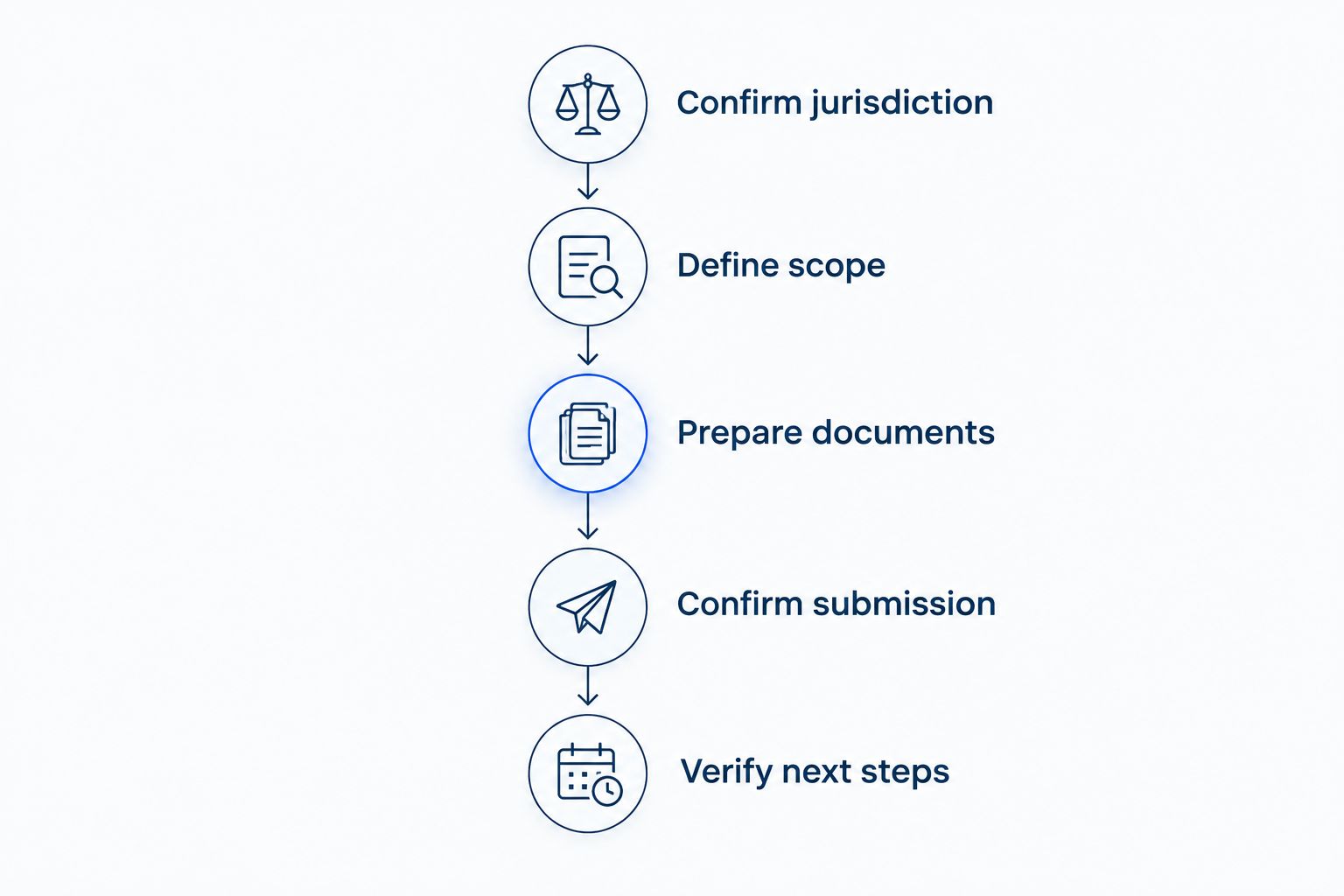
Use this sequence to get an answer tied to your property rather than a general estimate:
- Confirm jurisdiction. Give your electrician the installation address and property use. Ask which requirements come through the North Dakota State Electrical Board and which require confirmation with a local building or zoning office.
- Define scope. Identify the generator location, proposed fuel source, loads to be served, and connection method. An on-site inspection establishes the existing electrical conditions.
- Prepare documents. Have the electrician identify the equipment information, drawings, and supporting details the responsible authority requires. Do not assume a sales proposal meets submission requirements.
- Confirm submission. Ask who submits each filing, how receipt is documented, and whether anything remains outstanding. Record the submission date and the responsible contact.
- Verify next steps. Get the current processing expectation directly from the reviewing office. Ask separately about permission to begin work, inspection scheduling, and conditions for operation.
These steps produce a usable schedule because they distinguish paperwork from field work. They also expose a basic problem early: an installation date means little when nobody has confirmed the approval path.
Separate the permit schedule from the installation schedule
For your 2026 project, keep distinct entries for application review, physical work, inspection, and commissioning. Ask your contractor to mark each entry as confirmed or dependent on another party.
A permit-related milestone does not prove that the whole job is ready. Fuel work, utility arrangements, and electrical inspection can each have their own requirements.
| Milestone | What you need confirmed | What it does not establish |
|---|---|---|
| Submission | The correct office received the required filing | That the filing is complete or approved |
| Review or authorization | The authority has provided the required decision or direction | That installation and inspection are finished |
| Installation | The agreed physical work has been completed | That every required approval has been received |
| Inspection | The required inspection occurred and its result is documented | That unrelated fuel or utility work is complete |
| Commissioning | The system has been checked under the applicable startup procedure | That future maintenance is unnecessary |
Ask for the next confirmed action, not just a finish date. If a reviewer requests additional information, the immediate task is to supply it. If approval is complete but an inspection is outstanding, the next task is different.
Keep copies of submissions, responses, inspection results, and equipment documentation together. That record helps you distinguish a paperwork issue from unfinished installation work without relying on several separate conversations.
Residential generator projects: confirm the existing service
For a home installation, start with the service equipment and the loads you want backed up. Your electrician needs to assess the panel, proposed transfer arrangement, generator location, and wiring route before settling the scope.
A panel marked 200 amps does not, by itself, establish which generator or transfer equipment your home needs. Service rating, generator output, and the loads selected for backup are different design questions. Do not choose equipment from the panel label alone.
Best for homeowners: an on-site electrical assessment before equipment selection. It establishes the conditions the installation must address, but it does not replace the approving authority's review.
If transfer equipment is part of your project, read about how long transfer switch installation takes. Keep that work estimate separate from the permit timeline.
Commercial and oilfield projects: define the operating requirements
A business generator project needs a clear description of what must keep running. Tell the electrician whether the scope covers ordinary business continuity or equipment subject to specific emergency-power requirements. Do not treat those purposes as interchangeable.
For an oilfield location, have a qualified professional evaluate the site conditions and any hazardous-location requirements. A residential installation plan is not a substitute for an assessment of an operating industrial site.
Best for businesses and operators: a written scope that identifies loads, operating constraints, and approval responsibilities. The benefit is a clear basis for coordination; the limitation is that the schedule still depends on the actual review and site requirements.
Do not accept a home-generator timeline as the schedule for a commercial or oilfield installation. Ask the contractor to explain the requirements for your project without borrowing assumptions from another property.
Why generator permit timing varies
An address-specific scope matters because different project conditions require different questions. For a 2026 schedule, have your electrician check these factors rather than assigning a generic waiting period:
- Jurisdiction. Confirm which state and local requirements apply at the installation address. Do not assume a nearby property's approval process applies to yours.
- Submission completeness. Identify the documents the reviewer needs before filing. Resolve missing equipment details or unclear drawings with the responsible professional.
- Existing electrical conditions. An on-site assessment determines whether the proposed connection involves additional electrical work. Keep that work visible in the scope.
- Generator placement and fuel work. Confirm applicable siting requirements and who handles fuel-system work. Electrical paperwork does not answer every placement or fuel question.
- Utility involvement. Ask whether the proposed work requires utility coordination, a service interruption, or other utility action. Get that answer before promising an outage window.
- Inspections and corrections. Confirm required inspection stages and how corrections will be handled. A requested inspection is not a documented passing result.
These are planning checkpoints, not reasons to assume your project will be delayed. The practical move is to identify which ones apply and assign an owner to each.
What to put in your written generator quote
Eagle Electric is a fit for Bakken homeowners and businesses needing licensed electrical contracting. Its residential, commercial, and oilfield service scope matches those customers; permit decisions remain with the responsible authority.
Ask for a written quote that separates the contractor's work from work assigned to other parties. Clear boundaries matter more than a broad promise to handle everything.
Your quote discussion should cover:
- The generator connection and transfer equipment included in the electrical scope.
- Any panel or service work identified during the on-site assessment.
- Responsibility for electrical filings and local approval checks.
- Responsibility for fuel connections, excavation, and site preparation where applicable.
- Inspection coordination and the handling of required corrections.
- Startup checks, operating instructions, and the documents handed over at completion.
For a 2026 project, request written schedule assumptions alongside the scope. If a date depends on approval, utility action, or another contractor, label that dependency plainly.
The limit is straightforward: a clear quote cannot guarantee another organization's processing time. It can establish who follows up, who answers a review question, and who tells you when the schedule changes.
Can you install the generator while the permit is pending?
Do not authorize work that requires prior approval until the responsible authority confirms it can begin. Ask your licensed electrician which activities are allowed at the current stage. Do not assume delivery, site preparation, electrical installation, and operation have identical requirements.
Never connect a generator through a household receptacle or use a cord with exposed energized prongs. Improper connections can backfeed utility lines and create electrocution hazards. Leave building-wiring connections and transfer-equipment installation to a qualified licensed electrician.
If you need backup power before the permanent installation is ready, discuss a separate safe temporary arrangement. A pending permanent installation does not make an improvised connection acceptable.
Does a quick quote mean a quick permit?
A same-business-day quote response is a communication commitment, not a permit turnaround commitment. Eagle Electric emphasizes prompt responses and clear written quotes. Neither replaces the authority's review or confirms an inspection date.
When you contact a contractor, send the property address, building use, intended backup loads, and any existing generator information. Share photographs of accessible equipment labels only when you can do so safely. Never remove a panel cover to obtain information for a quote.
Questions to ask before you approve the schedule
Before you accept a proposed start date, ask the contractor to walk through the open items. Keep the answers in the same written record as the quote.
- Which authority has confirmed the applicable approval process?
- Has the required submission been received, and is anything outstanding?
- What must be approved before electrical work starts?
- Who coordinates any utility interruption or fuel-system work?
- Which inspections are required, and who requests them?
- What remains before the generator can be placed in service?
A useful answer names the responsible party and the next action. A statement that everything is being handled gives you neither.
If your main concern is an approaching outage season, say that at the start. The electrician can assess the permanent project and discuss safe interim planning without promising an approval date outside the contractor's control.
FAQ
How long does a generator installation permit take in North Dakota?
Get the current processing expectation from the authority responsible for your installation address and scope. Keep that estimate separate from installation, utility coordination, and inspection scheduling.
Who should confirm the permit requirements for my generator?
Have your licensed electrician identify the applicable electrical filings and confirm local building or zoning requirements with the responsible offices. Requirements must be checked for the actual property and proposed work.
Can I book generator installation before approval?
You can discuss scheduling, but do not treat a tentative date as authorization to begin regulated work. Have the electrician confirm what approvals are required before each stage starts.
Does a generator installation need utility coordination?
Have your electrician confirm utility coordination requirements for the proposed connection. Work involving service equipment or a planned service interruption needs a clear coordination plan.
Does a 200-amp panel tell me which generator to buy?
A 200-amp panel rating does not determine the generator your property needs. A licensed electrician must assess backup loads, transfer equipment, and the existing electrical system.
Can I connect a portable generator while waiting for installation?
Do not improvise a connection to your building wiring. Ask a licensed electrician about a suitable transfer arrangement, and follow the generator manufacturer's operating and carbon-monoxide safety instructions.
Does Eagle Electric promise same-day generator installation?
Eagle Electric emphasizes same-business-day responses to quote requests, not same-day job completion. Ask for a clear written scope and a schedule that identifies approval and inspection dependencies.
One last thing
Ask what the contractor means by permit complete. It could refer to a submitted filing, an authorization, or a closed-out inspection record. Those are different milestones.
For your 2026 installation, replace that vague phrase with the exact status and next required action. The useful date is the one tied to a documented milestone.


