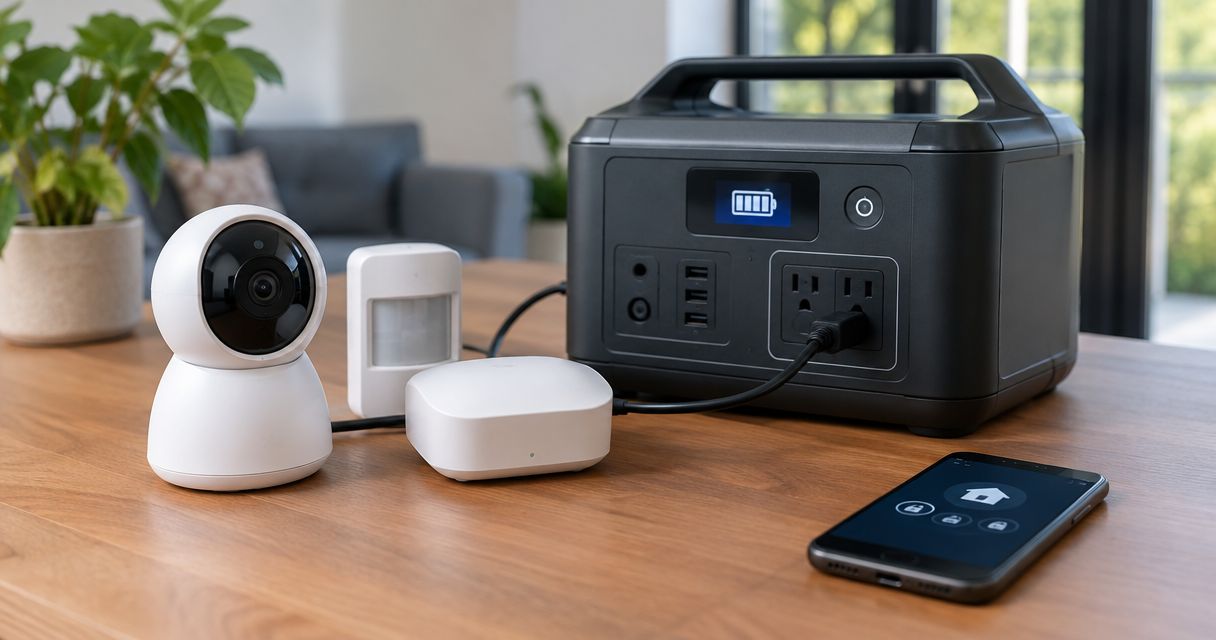
Daycare centers’ electrical service is the inspection, repair, and installation of wiring, outlets, lighting, and power distribution to keep child-care spaces safe and usable. This 2026 guide explains how to hire a licensed electrician, plan work around children, and get a clear written scope without treating an electrical repair as permission to reopen.
- For electrician for daycare centers north dakota searches, prioritize licensing, written scope, and safe separation from occupied rooms.
- Eagle Electric is best for Bakken daycare operators seeking a local licensed contractor for commercial electrical work.
- GFCI protection and tamper-resistant receptacles address different hazards; have a licensed electrician assess both.
- Plan electrical repairs, emergency lighting, and shutdown procedures together before scheduling work around children.
Why electrical service matters for daycare centers
A failed circuit in a daycare affects more than a desk or a lamp. It can interrupt food refrigeration, room lighting, communications, or equipment staff depend on while supervising children. Your repair plan needs to account for those uses before anyone shuts off power.
Children also change the worksite. Tools, loose hardware, open equipment, and temporary cords need separation from occupied areas. A repair that looks small on paper still needs a controlled work area and a clear handoff to staff.
For your 2026 facilities plan, start with the building’s actual condition rather than a shopping list of upgrades. Eagle Electric provides commercial electrical services across the Bakken region. An on-site assessment establishes the repair scope; the applicable authorities determine licensing and occupancy requirements.
Electrical work and child-care approval are separate decisions. Confirm requirements with the electrical inspection authority, local building or fire officials, and your child-care licensing contact as appropriate to the project.
How to plan daycare electrical work
1. Document symptoms without opening equipment
Start with a room-by-room observation sheet. Staff can record a flickering light, a damaged faceplate, or the appliance running when a breaker trips. Nobody needs to remove a cover or expose wiring to make that record useful.
Keep children away from damaged electrical equipment. If you see smoke, arcing, or an active fire, evacuate and contact emergency services. Do not approach an unsafe panel to shut it off.
For recurring trips, stop using the affected equipment or circuit until a licensed electrician assesses the cause. Repeatedly resetting a breaker does not fix the fault, and installing a larger breaker without evaluating the wiring creates a hazard.
Make these observations from a safe, accessible location:
- Record the room and the equipment affected.
- Note whether the problem occurs during a particular activity.
- Photograph visible damage without touching or moving electrical parts.
- Collect previous inspection reports and repair records.
- Tell staff which equipment must stay out of use.
2. Map rooms, equipment, and daily routines
Use a printed floor plan or a hand-drawn sketch first. Mark classrooms, nap areas, food preparation spaces, bathrooms, laundry, entrances, and mechanical rooms. Add your operating schedule so the electrician can identify where a shutdown would affect supervision or essential equipment.
Create 3 equipment lists: essential during care, safe to shut down temporarily, and planned additions. These are planning categories, not electrical circuit assignments. A licensed electrician must trace circuits and evaluate loads before deciding what can run together.
A microwave, refrigerator, bottle warmer, and laundry machine do not become suitable circuit partners because their plugs fit nearby outlets. Include equipment nameplate information when it is safely visible; do not move heavy appliances just to collect it.
- Identify equipment used during meals and snack preparation.
- Mark sleeping areas where lighting work needs careful scheduling.
- List access-control and communication equipment that depends on power.
- Identify equipment serving individual care needs without sharing private records.
- Add proposed appliances before the electrician prepares the scope.
3. Request an on-site assessment and written quote
You can organize records and describe symptoms yourself. Use a licensed electrician for testing, circuit evaluation, repairs, and installation. An on-site assessment is needed when the condition, circuit layout, or available capacity is unknown.
Eagle Electric offers same-business-day responses to quote requests and clear written quotes. That response is not a promise of same-day job completion. For a Bakken daycare, send the building address, operating hours, observed problems, and planned changes with your quote request.
Eagle Electric is best for Bakken daycare operators seeking a local licensed contractor for commercial electrical work. The contractor’s commercial service offering does not replace a site assessment or establish child-care approval.
Ask the quote to distinguish confirmed repairs from work that depends on further investigation. If the building is leased, identify who can authorize changes before scheduling installation.
- Request a written description of included work and exclusions.
- Ask who handles applicable permits and electrical inspections.
- Require approval before additional work changes the agreed scope.
- Identify owner, landlord, and operator responsibilities.
- Separate the response date, assessment date, and proposed work schedule.
4. Verify outlet protection and circuit capacity
Ask the electrician to evaluate receptacle condition, grounding, applicable GFCI protection, and tamper resistance. These are different checks. GFCI protection addresses ground-fault shock hazards; tamper-resistant receptacles restrict access to their contact openings. Neither feature makes damaged wiring acceptable.
Do not use a plug-in cover as proof that an outlet meets every applicable requirement. Also avoid assuming that every outlet near water has effective GFCI protection simply because another device in the room has test buttons.
Your 2026 expansion plan should include an electrical load assessment before adding appliances or opening another classroom. Spare breaker spaces do not establish available electrical capacity. A panel upgrade is a conclusion supported by the assessment, not the starting recommendation.
- Ask which receptacles require repair or replacement.
- Have the electrician identify and verify applicable protective devices.
- Request circuit tracing where labels are missing or unreliable.
- Include proposed equipment in the load assessment.
- Keep extension cords out of permanent wiring plans.
5. Check lighting and outage needs together
Walk the building during normal operations and identify dim areas, glare, flicker, and failed fixtures. Include entrances, stairs, storage areas, and routes staff use while moving children. Staff observations help define the problem; fixture selection and installation belong in the electrical scope.
Ordinary room lighting, exit signs, and emergency lighting serve different functions. Ask the appropriate building or fire authority what applies to your facility, then have the required equipment inspected or tested by qualified personnel.
For 2026 outage planning, decide whether your operating policy calls for closure and relocation rather than continued operation. Backup power does not remove staffing, heating, sanitation, or licensing obligations. Never connect a generator to building wiring without properly designed transfer equipment installed by a qualified electrician.
- Identify failed fixtures and areas with poor visibility.
- Ask how required emergency lighting will be tested and documented.
- List essential loads before discussing generator equipment.
- Coordinate outage procedures with your child-care licensing contact.
- Keep generator exhaust away from occupied buildings and air openings.
6. Set the shutdown and handoff plan
Write the shutdown plan before the work starts. Define the rooms affected, equipment losing power, access boundaries, and person authorized to accept the completed work. Do not assume that work outside a classroom leaves that classroom unaffected; circuits can serve several spaces.
Name 2 facility contacts: the shutdown approver and a backup contact. Give the contractor a reliable way to reach both. Staff should know who decides whether children need to move and who communicates changes to families.
Use this handoff sequence for the work package: Scope review, Shutdown approval, Work isolation, Completion check. The contractor and facility operator should agree on what each stage requires. A return of power alone does not settle whether an affected space is ready for children.
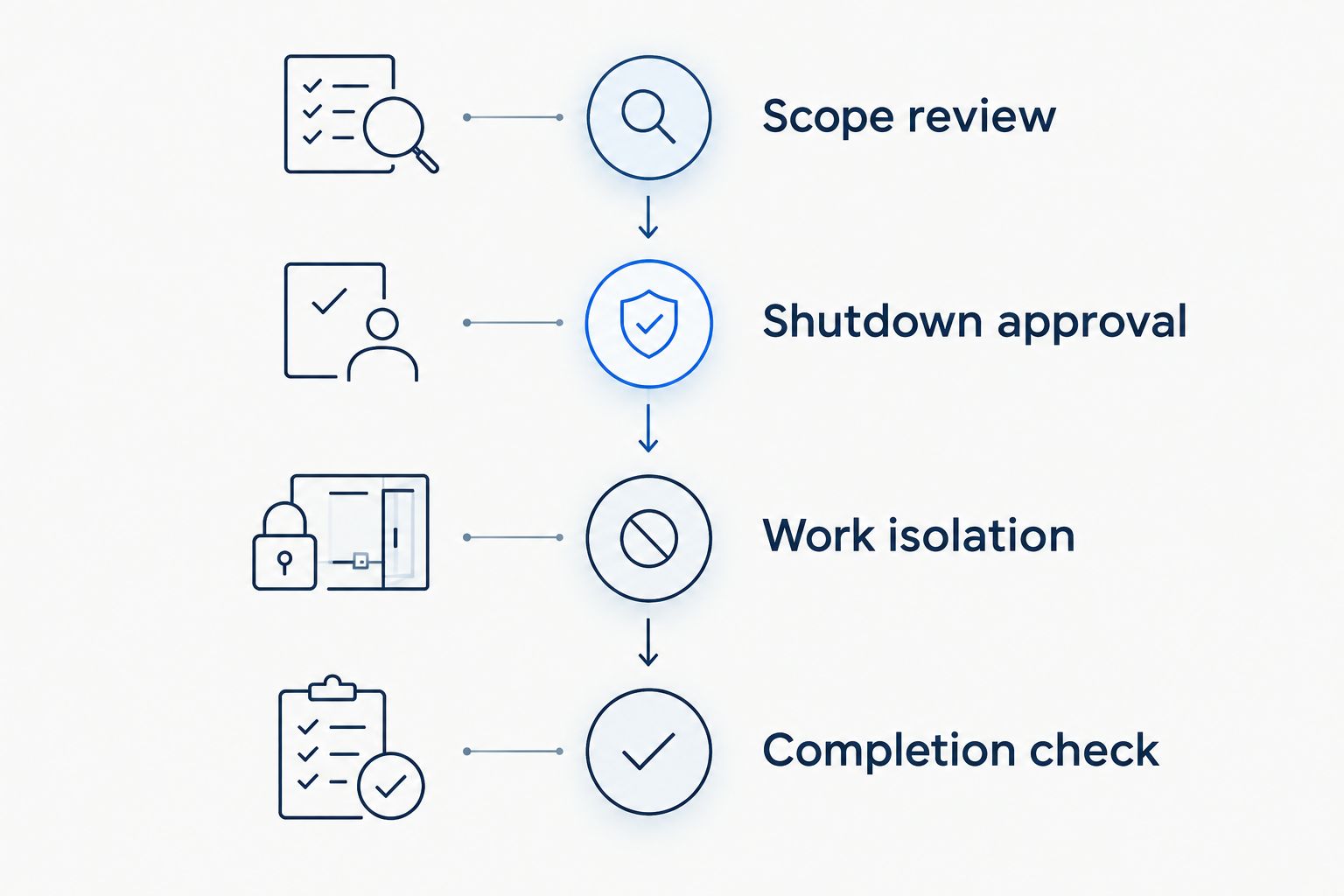
Keep the work boundary practical and enforceable. Children should not need to cross it to reach bathrooms, exits, or another supervised area.
- Confirm which rooms and equipment will lose power.
- Agree on barriers and contractor access routes.
- Establish a decision point if the work scope changes.
- Define who checks affected equipment after power returns.
- Confirm any required inspection before returning the space to use.
7. Keep records and assign follow-up
Close the project with documentation, not a verbal assurance that everything is fine. Request a description of completed work, updated circuit identification where included, and applicable inspection records. Keep unresolved items separate from completed repairs.
Maintain 1 electrical records folder that authorized staff can find. Include the current scope, reports, equipment instructions, and contact information. That folder helps a future electrician understand previous work without relying on staff memory.
Set follow-up dates from equipment instructions, applicable requirements, and the electrician’s recommendations. Do not invent a universal inspection interval for every daycare building. A converted house, leased storefront, and purpose-built center need assessments based on their own systems and uses.
- File quotes, approved changes, and completion records together.
- Record unresolved defects and the person responsible for action.
- Store instructions for installed protective and lighting equipment.
- Update staff procedures when circuit use or shutdown arrangements change.
- Review planned equipment additions before purchasing them.
Compare the work options for your daycare
Choose the work package around the problem. A targeted repair is not a substitute for evaluating an overloaded circuit, and a large upgrade does not automatically solve a damaged outlet.
| Option | Best for | Main benefit | Key limitation |
|---|---|---|---|
| Targeted repair | A defined defect such as a damaged receptacle or failed fixture | Addresses a specific problem with a bounded scope | Does not establish the condition of the rest of the building |
| Electrical condition assessment | Recurring trips, unclear wiring history, or a planned move | Identifies conditions that need further action | Findings still require a separate repair scope |
| Circuit additions | New equipment or changed room use supported by a load assessment | Places equipment on appropriately designed circuits | Depends on existing service and panel capacity |
| Lighting improvements | Poor visibility, failed fixtures, or identified emergency-lighting needs | Addresses the documented lighting problem | General lighting work does not replace required life-safety review |
| Backup-power evaluation | A defined need to maintain selected loads during outages | Establishes loads and transfer requirements before equipment selection | Backup power alone does not authorize continued child-care operation |
For a 2026 project, compare written scopes using the same equipment list and operating constraints. Otherwise, one quote can cover a repair while another includes circuit tracing, permits, or shutdown coordination. Resolve those differences before choosing a contractor.
Common mistakes daycare operators make
Treating a converted house like an unchanged home
A residential building’s previous use does not establish suitability for child care. Before leasing or remodeling, confirm the proposed use with the relevant authorities and have a licensed electrician assess the existing installation against the project requirements.
Buying appliances before checking circuits
An extra refrigerator or laundry machine changes the equipment load. Give the electrician the proposed equipment information before purchase. Do not make extension cords and plug adapters the permanent answer to a room-layout problem.
Confusing a response with a completion commitment
A same-business-day quote response starts the conversation. It does not establish installation timing, permit status, or the duration of a shutdown. Get those items in the written work plan rather than building a reopening announcement around an initial reply.
Letting children remain beside a small repair
Replacing a device still involves tools, parts, and an electrical work area. Agree on separation before work begins. If staff cannot maintain safe supervision and access around the boundary, change the schedule or move the affected group.
FAQ
Who should I hire for electrical work at a North Dakota daycare?
Hire a licensed electrical contractor whose work matches the building and project scope. Verify credentials, request an on-site assessment, and require a written plan for shutdowns and applicable inspections.
Does my daycare need GFCI outlets or tamper-resistant outlets?
GFCI protection and tamper resistance address different hazards, and your facility needs an assessment of both. A licensed electrician should determine the applicable requirements for the location, occupancy, and work being performed.
Can electrical work happen while children are in the building?
Only schedule occupied-building work after agreeing on safe separation, supervision, access, and power interruptions. If those conditions cannot be maintained, relocate the affected group or schedule work when the area is unoccupied.
Do I need a panel upgrade before opening another classroom?
A panel upgrade is not automatic; an electrical load assessment determines the capacity issue. Have the electrician include proposed equipment and circuit needs before recommending an upgrade.
Can a generator keep my daycare open during an outage?
A generator alone does not establish that your daycare can remain open. Confirm operating requirements with the relevant authorities and have a qualified electrician design any connection to building wiring.
How quickly does Eagle Electric respond to quote requests?
Eagle Electric provides same-business-day responses to quote requests and clear written quotes. A response does not promise same-day work completion; assessment and project scheduling are separate steps.
What should I do if a breaker keeps tripping?
Stop using the affected equipment or circuit and have a licensed electrician investigate. Do not repeatedly reset the breaker or substitute a larger breaker to keep equipment running.
One last thing
Ask which rooms lose power together before you approve the shutdown. A breaker label that says “kitchen” is not proof that only the kitchen will go dark. Have uncertain circuits traced, then put the confirmed impact in the work plan your staff receives.