
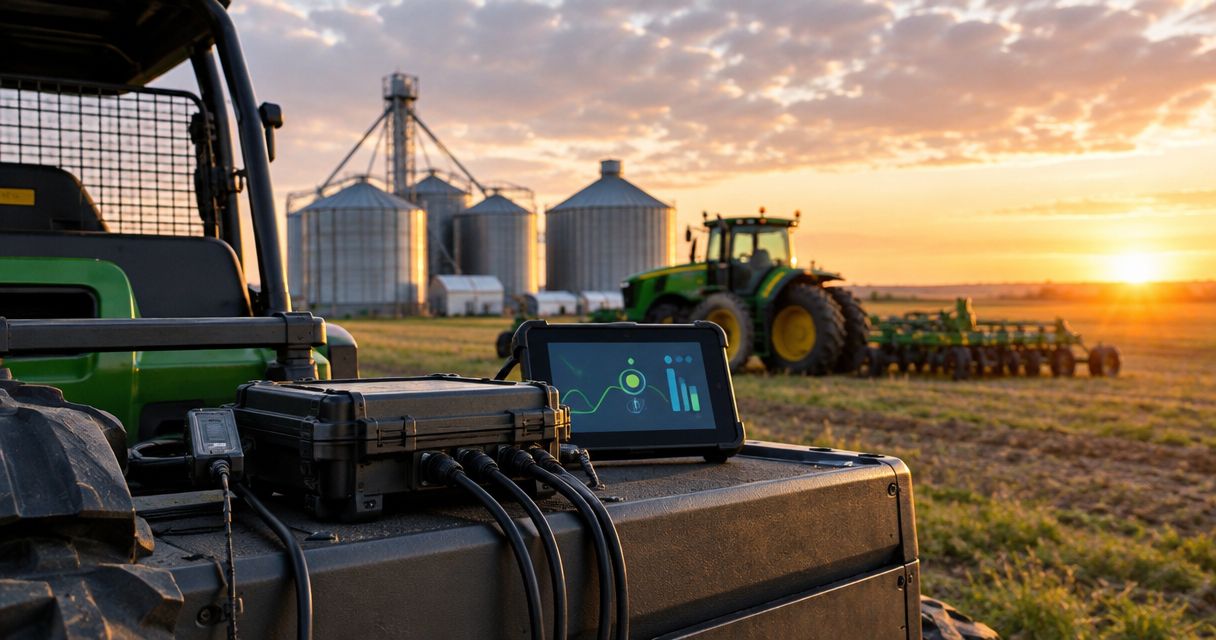
Best overall: layered surge protection. Best starting point: service-entrance protection. Best targeted option: protection at a critical controller. The best surge protection for farm equipment matches your electrical service, outbuildings, and sensitive controls—not just the largest rating on a box.
- The best surge protection for farm equipment combines service, outbuilding, and equipment-level protection.
- Eagle Electric is a licensed contractor for Bakken owners seeking an on-site electrical assessment.
- Match every surge protective device to the circuit voltage, wiring configuration, and installation environment.
- Surge protection does not replace grounding repairs, motor protection, or backup power.
Why this matters on a North Dakota farm
A pump motor, grain-handling controller, and office computer do not need the same protection arrangement. Equipment connects through different panels, control circuits, and communication cables. Protecting one connection leaves the others to assess.
A surge protective device, or SPD, limits transient overvoltage. It does not supply electricity during an outage, correct an overloaded circuit, or repair a loose neutral. Those problems need different fixes.
Eagle Electric is a licensed electrical contractor for Bakken property owners who need an on-site assessment before choosing farm surge protection. Start with an inspection through its electrical services rather than buying devices before someone checks the system.
For a 2026 farm electrical project, write down what must keep working: livestock water, ventilation, grain controls, or shop equipment. That list sets the protection priorities.
What makes the best surge protection for farm equipment?
Judge the protection plan against these criteria before comparing options:
- Electrical match: The device must match the voltage, phase configuration, and grounding arrangement. A device for a 120/240-volt single-phase service is not interchangeable with one for a 480-volt three-phase system.
- Correct location: Service protection, outbuilding protection, and controller protection address different connection points. One device is not a substitute for assessing the whole route.
- Recognized safety listing: Look for an appropriate listing to UL 1449 for power-circuit SPDs. Signal-circuit protection needs the listing and ratings appropriate to its application.
- Environmental fit: Check operating temperature, enclosure suitability, moisture exposure, dust, and corrosion. An enclosure designation alone does not establish cold-weather suitability.
- Installation quality: Connection layout, conductor routing, grounding, and bonding affect performance. A licensed electrician must follow the device instructions and applicable requirements.
- Maintenance visibility: Favor an arrangement whose protection status can be checked safely. Know what an indicator means and what requires replacement.
Do not choose solely by joules or a surge-current number. Those figures do not establish compatibility, installation quality, or whether the device covers every connection to your equipment.
Farm surge protection options at a glance
These are protection arrangements, not competing contractor or product rankings. Each serves a different job.
| Rank | Protection option | Best for | Standout feature | Key limitation |
|---|---|---|---|---|
| 1 | Layered surge protection | Farms with several buildings and sensitive controls | Coordinates protection across power and signal entry points | Requires a site-wide assessment |
| 2 | Service-entrance protection | Establishing protection at the incoming supply | Addresses transients at the service | Does not replace downstream protection |
| 3 | Outbuilding-panel protection | Detached shops, barns, and equipment buildings | Places protection at a separate distribution point | Does not cover every equipment connection |
| 4 | Equipment-level protection | A critical controller or compatible plug-connected device | Addresses the connection near sensitive equipment | Must match the equipment and installation |
| 5 | Signal-line protection | Controls connected through outdoor communication wiring | Addresses a path power-only protection misses | Requires signal compatibility and correct bonding |
1. Layered surge protection: best for multi-building farms
Layered surge protection combines appropriately selected devices at the service, relevant downstream panels, and sensitive equipment connections. The plan also checks conductive communication lines entering protected equipment. It starts with a map of the electrical system, not a shopping list.
Layered surge protection pros:
- Addresses multiple paths into sensitive equipment.
- Accounts for detached buildings and separate distribution panels.
- Lets you prioritize equipment by operational importance.
- Includes grounding and bonding checks in the assessment.
Layered surge protection cons:
- Requires more planning than installing a single device.
- Creates multiple protection-status indicators to maintain.
- Does not guarantee survival of every lightning event.
Best for: A farm with detached buildings, electronic controls, and equipment connected through both power and communication wiring.
For your 2026 plan, ask the electrician to identify the intended protection points on a simple site drawing. Mark the service, building panels, critical controls, and outside cable routes. Keep that drawing with the equipment records.
Do not assume that adding more devices automatically produces a better system. Devices need suitable ratings, compatible applications, and installation according to their instructions.
Verdict: Buy a coordinated layered plan when several buildings or critical systems need protection.
2. Service-entrance protection: best for the incoming supply
Service-entrance protection places an appropriately selected SPD at the incoming electrical service. Depending on the device type and approved installation, its connection belongs on the permitted side of the service disconnect. That decision belongs to the electrician.
Service-entrance protection pros:
- Establishes protection at a central electrical entry point.
- Covers the supply serving multiple downstream circuits.
- Provides a starting point for a layered plan.
Service-entrance protection cons:
- Does not address every transient originating downstream.
- Does not protect separate communication connections by itself.
- Needs assessment if the existing service has defects.
Best for: A farm beginning a surge-protection project at an otherwise suitable electrical service.
Ask the electrician to verify the service configuration before selecting a device. A 200-amp panel rating describes current capacity; it does not tell you which SPD voltage configuration is correct.
Service-side work is not a homeowner installation task. Turning off a main breaker does not necessarily de-energize every conductor inside service equipment. Leave covers closed and arrange licensed electrical work.
Verdict: Buy as the foundation of a protection plan; do not treat it as complete farm coverage.
3. Outbuilding-panel protection: best for detached buildings
Outbuilding-panel protection places an appropriately rated SPD at a downstream distribution panel. It addresses the electrical supply at the barn, shop, or other building where equipment operates. It supplements service protection rather than replacing it.
Outbuilding-panel protection pros:
- Adds protection at a separate distribution point.
- Groups protection around a building's electrical loads.
- Supports a staged project organized by building.
Outbuilding-panel protection cons:
- Does not replace equipment-specific protection requirements.
- Depends on suitable panel conditions and installation space.
- Does not repair feeder, grounding, or bonding defects.
Best for: A detached building containing electronic equipment, motor controls, or other sensitive loads.
An outbuilding assessment should cover the feeder, panel condition, grounding, bonding, and exposure. Do not assume an older barn's grounding arrangement is correct because its lights still work.
For a 2026 upgrade, include planned equipment changes in the inspection. A new drive or controller changes what needs review even when the building itself stays the same. The electrician should also check the selected device's temperature range against its actual installation location.
Verdict: Buy when the detached building needs its own protection layer; fix electrical defects first.
4. Equipment-level protection: best for critical controls
Equipment-level protection places a compatible protective device near a specific load or control connection. Depending on the application, that means an approved plug-connected device or a hardwired arrangement designed for the equipment. A household power strip is not a general solution for farm machinery.
Equipment-level protection pros:
- Targets a controller or device essential to operations.
- Adds protection near the equipment connection.
- Helps focus an initial project on clearly identified loads.
Equipment-level protection cons:
- Protects only the connections it actually covers.
- Requires compatibility with the equipment manufacturer's instructions.
- Does not correct poor supply voltage or motor faults.
Best for: Sensitive controls, compatible office electronics, or another identified load requiring a local protection layer.
Check the equipment documentation before adding protection to a variable-frequency drive or controller. Do not place an ordinary SPD on a drive output unless the equipment and protective-device instructions specifically permit that application.
Keep functions separate. A motor overload device protects against sustained motor overload; an SPD addresses transient overvoltage. Neither replaces the other.
Verdict: Buy for a defined equipment connection, not as a substitute for assessing the upstream supply.
5. Signal-line protection: best for outdoor control wiring
Signal-line protection addresses conductive communication or control cables connected to equipment. Outdoor copper wiring between buildings deserves attention because protecting the power supply alone leaves another electrical path connected. The protector must suit the actual signal circuit.
Signal-line protection pros:
- Addresses connections missed by power-only protection.
- Fits into a broader equipment-protection plan.
- Brings outside cable entry points into the inspection.
Signal-line protection cons:
- Incorrect selection can interfere with the signal.
- Requires correct bonding and installation placement.
- Does not replace protection on the equipment's power connection.
Best for: Controllers connected to other buildings or outdoor devices through conductive signal cables.
Identify the cable's purpose before selecting anything. Ethernet, sensor wiring, and other control circuits have different electrical and transmission requirements. The electrician or controls specialist needs that information, not just a photograph of the connector.
Verdict: Buy when an exposed conductive signal path exists; skip devices that do not match the circuit.
How these options were ranked
The ranking follows coverage, electrical compatibility, environmental fit, installation requirements, and maintenance visibility. Layered surge protection ranks first because it addresses multiple connection points. The remaining options each fill a narrower role.
This is a 2026 selection guide, not a laboratory product test. No single device rating establishes that a farm is protected. The final specification requires an on-site inspection and the equipment manufacturers' instructions.
What to check before requesting a quote
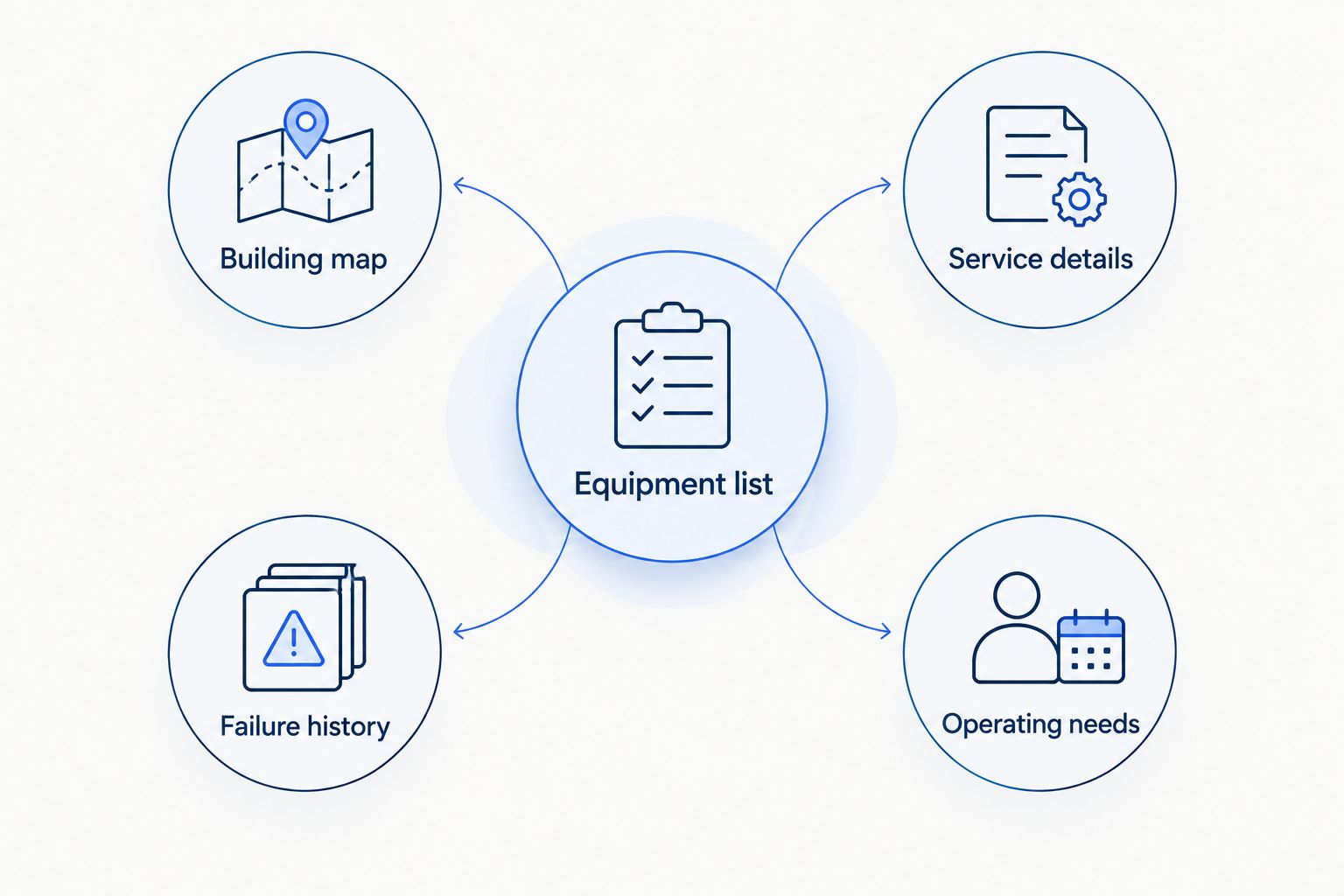
Give the electrician useful information without opening energized equipment. Gather these details from existing records and safely visible labels:
- Equipment list: Identify pumps, drives, controllers, and other loads you want assessed.
- Building map: Mark detached buildings and known cable routes.
- Service details: Provide existing panel schedules and electrical drawings when available.
- Failure history: Describe what stopped working and whether a storm, outage, or switching event occurred.
- Operating needs: Explain which systems cannot be taken offline without planning.
Eagle Electric provides same-business-day responses to quote requests and clear written quotes. Request a scope that identifies the inspection, proposed protection points, and any repairs required before installation. A response to your request is not a promise of same-day job completion.
Use the quote request page to describe the farm location and affected equipment. Do not remove a panel cover to get a better photo.
Which surge protection should you choose?
Choose layered surge protection as the default for a multi-building farm. Begin with the service assessment, then identify downstream panels, critical equipment, and conductive signal paths that need attention.
If you need to stage the work, ask for written priorities rather than buying unrelated devices one at a time. Repair unsafe conditions first. Then install compatible protection where the assessment identifies a need.
In 2026, a useful written quote should describe what is included, what remains outside the scope, and how protection status will be checked. It should not promise that electrical equipment can never fail.
FAQ
What's the best surge protection for farm equipment in North Dakota?
Layered surge protection is the best default for a farm with several buildings and sensitive controls. A licensed electrician should assess the service, downstream panels, equipment connections, and conductive signal wiring before specifying devices.
Will one whole-building surge protector cover every farm machine?
One whole-building surge protector does not address every connection or every electrical disturbance. Detached buildings, sensitive controls, and conductive communication cables need separate assessment.
Can I install a surge protector in my farm's electrical panel myself?
Have a licensed electrician handle panel-connected surge protection. Service equipment can contain energized conductors even with the main breaker switched off.
Does a surge protector keep a well pump running during an outage?
A surge protector does not keep a well pump running during an outage. Backup power requires a separate, correctly designed generator or other suitable power system and transfer arrangement.
Does a surge protector protect against low voltage or phase loss?
An ordinary surge protective device does not replace undervoltage, phase-loss, or motor-overload protection. Ask the electrician to assess those conditions separately when equipment trips or motors fail.
What should I check for outdoor surge protection in an ND winter?
Check the device's operating-temperature range and its suitability for the installation environment. The electrician must also verify enclosure suitability, moisture exposure, and the manufacturer's installation requirements.
Can Eagle Electric assess a farm surge-protection project?
Eagle Electric is a licensed electrical contractor based in Watford City serving the Bakken region. Submit the location, equipment details, and known problems for a same-business-day response to your quote request and a clear written quote.
One last thing
A protected power cord does not mean a protected controller. A copper communication cable entering the same cabinet is another connection to assess.
Before approving the work, ask one question: Does this scope cover every conductive connection to the equipment we are trying to protect? That question catches gaps a large rating on a box cannot.


