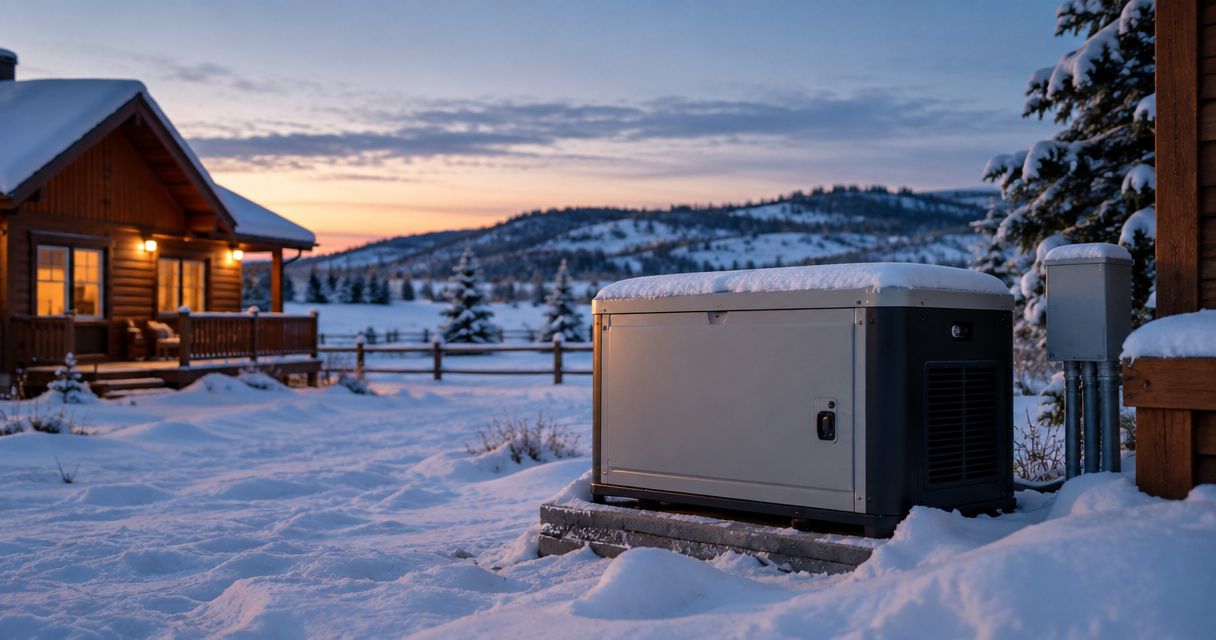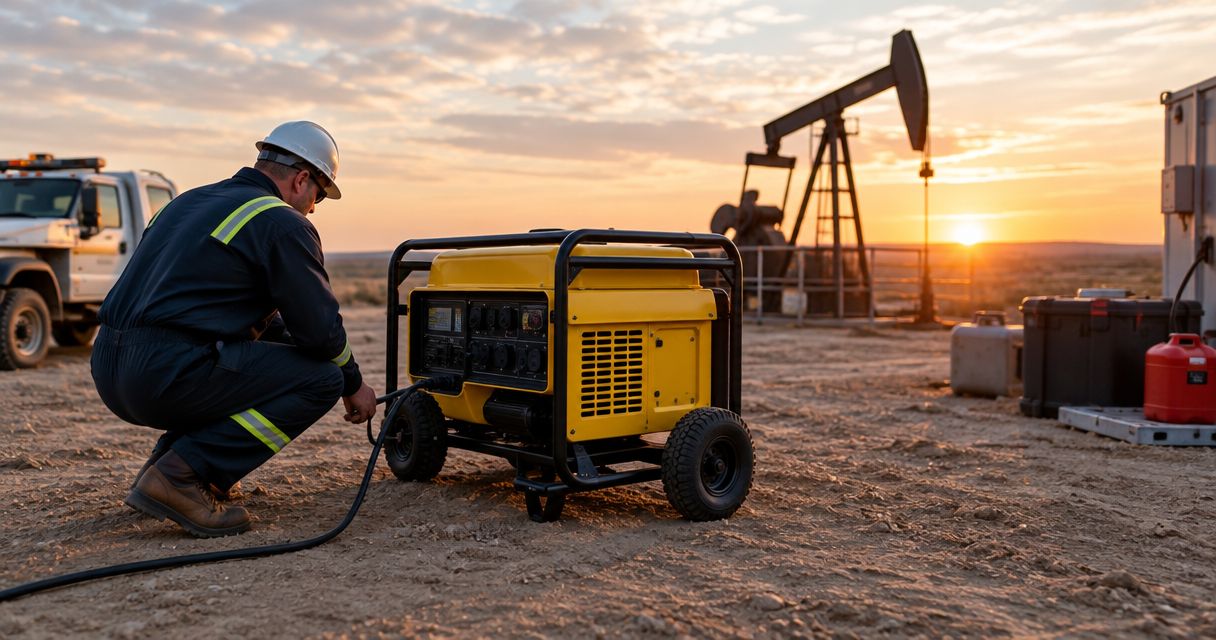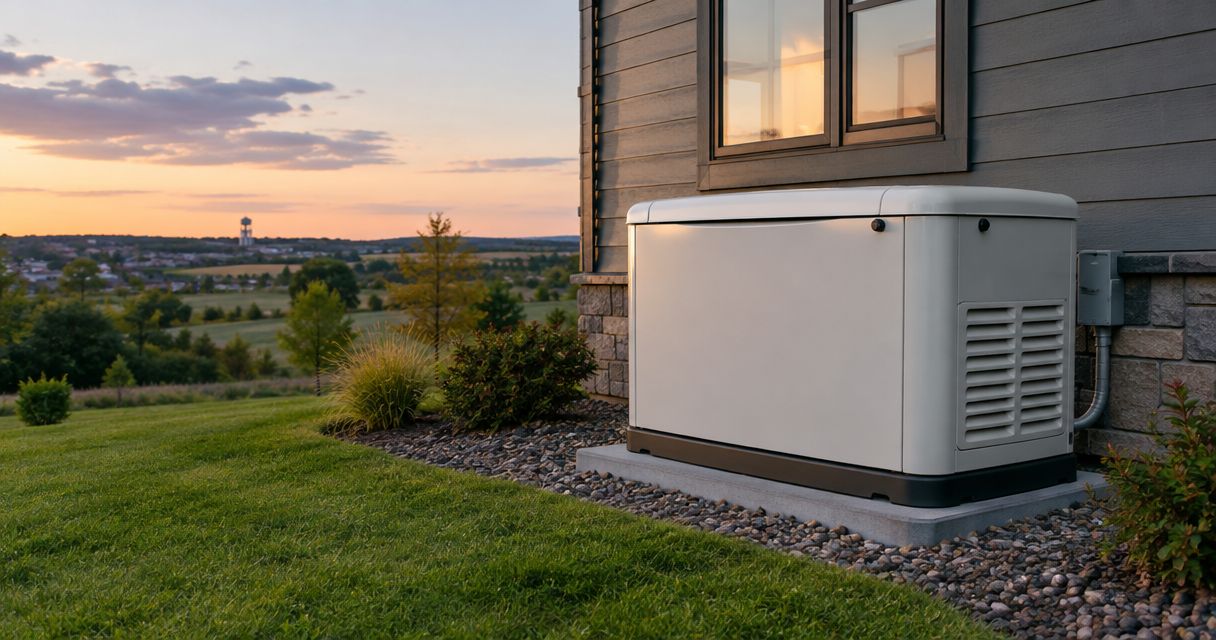
Best overall for a Watford City home with confirmed utility gas service: a natural-gas standby setup sized to the home's inspected loads. Best where utility gas is unavailable: a propane standby setup. Best for a home with high peak demand: a load-managed standby setup. The best whole home standby generators Watford City homeowners can choose depend on fuel access, the electrical panel and which loads need power during an outage.
- Best whole home standby generators Watford City homeowners can choose depend on fuel access and inspected electrical loads.
- Natural-gas standby is the default when utility gas service is confirmed; propane standby fits homes without it.
- Load management can prioritize circuits when the home's peak demand exceeds what the proposed generator will carry.
- Eagle Electric is best for Watford City homeowners who need a licensed electrician to assess the installation and provide a written quote.
Why this matters in Watford City
A standby generator is not just a machine beside the house. It needs a fuel supply, a transfer switch and an electrical connection matched to the home. The wrong choice can leave a circuit you care about unpowered or put more demand on the proposed system than it is designed to carry.
For a 2026 quote, start with what must stay on during an outage. Then have a licensed electrician inspect the service, panel and loads. Eagle Electric is a licensed electrical contractor based in Watford City that provides residential electrical services. Eagle Electric is best for homeowners who need the electrical work assessed before they choose a standby generator setup.
What makes the best whole-home standby setup
Use these checks before comparing equipment. A generator's advertised output means little until you know what the home will ask it to run.
- Fuel access: Confirm whether the property has utility natural gas service or needs another fuel arrangement. Do not assume a nearby gas line means the home has an approved connection.
- Required loads: List the circuits and equipment you expect to use during an outage. Separate essentials from loads you can leave off.
- Starting demand: Motors can draw more power when they start than when they run. A licensed electrician needs to account for that demand when sizing the system.
- Transfer equipment: The transfer switch must keep generator power separated from utility power. This is electrical installation work, not a cord-and-outlet workaround.
- Panel condition: Check available space, service configuration and any existing defects before settling on a generator size.
- Site and fuel planning: Placement, access and the fuel connection need to work at the actual property. Confirm them before treating a quote as final.
A home with 120-volt lighting circuits and 240-volt equipment does not have one simple power requirement. The electrician must identify which loads will run together and which can be managed. A 200-amp service rating describes the service equipment; it does not tell you the generator size the house needs.
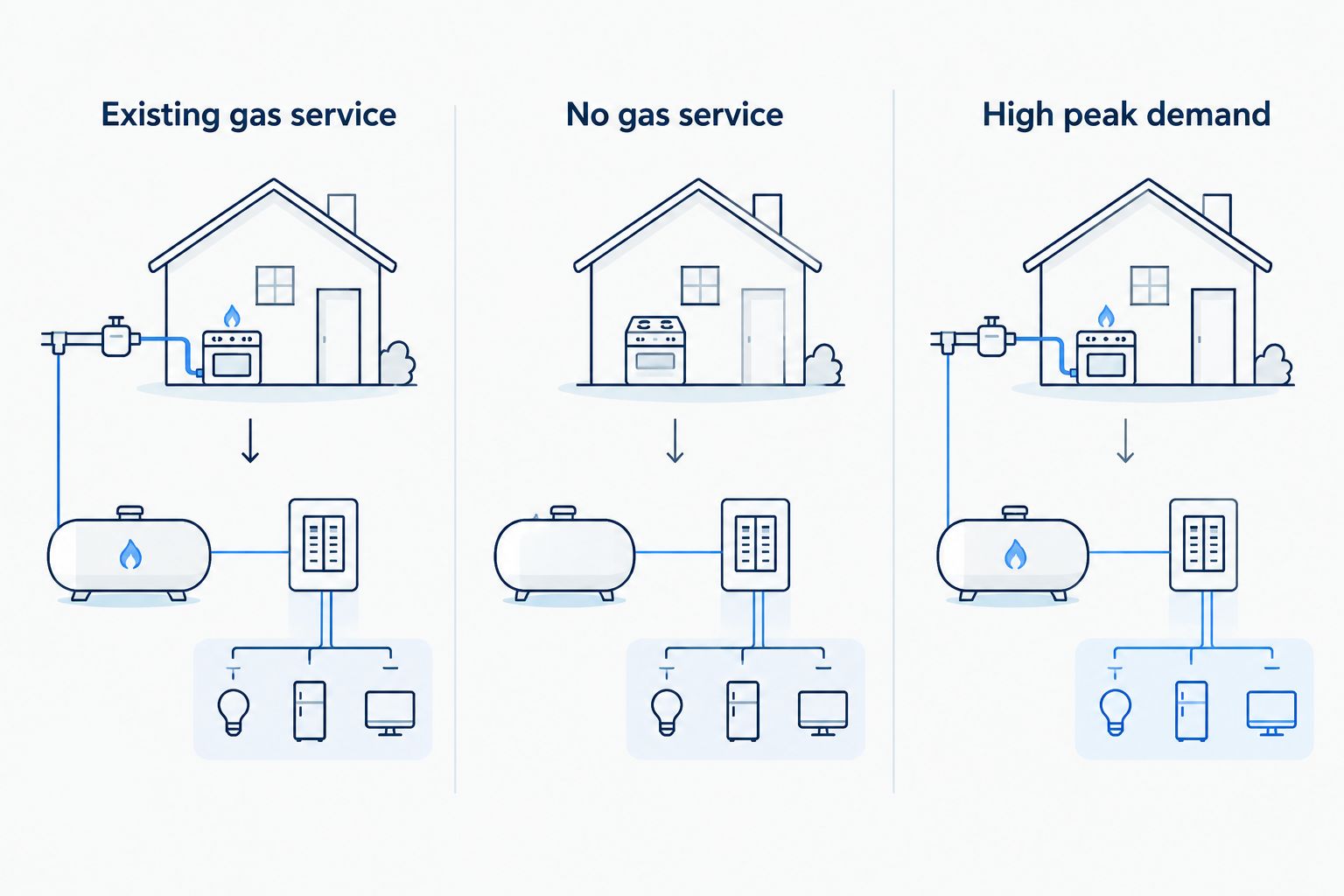
Standby generator setups at a glance
| Setup | Best for | Standout feature | Key limitation |
|---|---|---|---|
| Natural-gas standby | Existing gas service | Uses a confirmed utility gas connection | Not an option without an approved gas supply |
| Propane standby | No gas service | Does not depend on a utility gas connection | Needs tank and fuel-delivery planning |
| Load-managed standby | High peak demand | Prioritizes selected loads | Some loads cannot run at the same time |
These are system choices, not generator-brand rankings. Fuel access determines the first decision. The load assessment determines what the selected system must carry. A load-managed setup can use an appropriate fuel source; it is listed separately because its defining choice is how the home handles demand.
1. Natural-gas standby: best whole-home setup for existing gas service
A natural-gas standby generator uses a suitable utility gas connection as its fuel source. With the right transfer equipment, it can supply the circuits included in the installation design when utility power fails. In 2026, this is the default setup to assess first when gas service is confirmed; it is not a reason to skip the electrical load calculation.
Natural-gas standby pros:
- Uses an existing fuel-service path when that connection is approved for the installation.
- Removes the need to plan a separate on-site propane tank for this setup.
- Can be evaluated alongside either broad home coverage or selected-circuit coverage.
Natural-gas standby cons:
- It does not fit a property without suitable utility gas service.
- Gas connection requirements and available supply need confirmation before equipment is selected.
- A generator still needs correct sizing, transfer equipment and ongoing maintenance.
Best for: A Watford City homeowner with confirmed utility gas service who wants the inspected load list to drive the generator choice.
Verdict: Buy this type of setup only after a licensed electrician confirms the electrical requirements and the fuel connection is approved. Hold the equipment decision if either point is unresolved.
2. Propane standby: best whole-home setup without gas service
A propane standby generator uses stored fuel rather than a utility natural-gas connection. That makes it a practical setup to assess when the property has no suitable gas service. The tank, fuel line, generator location and electrical work all need to fit the site.
Propane standby pros:
- Gives a home without utility gas service a standby-fuel option.
- Lets the installation plan account for the property's actual layout.
- Can be sized around an inspected list of required loads rather than a guess about the whole house.
Propane standby cons:
- Needs tank placement and fuel-supply planning.
- Stored fuel has to be monitored and replenished.
- Site constraints can affect where equipment and fuel connections can go.
Best for: A homeowner without an approved utility gas connection who can accommodate the required fuel arrangement.
Verdict: Buy only after the site, fuel plan and electrical loads have been checked together. Skip a generator recommendation based solely on the home's square footage.
3. Load-managed standby: best setup for high peak demand
Load management controls when selected electrical loads can run while the generator is supplying power. It is useful to assess when several large loads could otherwise demand power at once. It does not create more generator output; it sets priorities so the system stays within its designed capacity.
Load-managed standby pros:
- Makes the household's power priorities explicit.
- Addresses simultaneous demand rather than relying on a single whole-home label.
- Gives an electrician a clear basis for explaining what runs during an outage.
Load-managed standby cons:
- Some equipment cannot run at the same time when loads are being managed.
- The setup depends on a correct load assessment and suitable control equipment.
- It will disappoint anyone expecting every circuit to operate without restrictions.
Best for: A homeowner who wants broad standby coverage but has loads that need a defined order of priority.
Verdict: Buy when the written plan names the loads that will be managed. Skip it if you need every connected load available at once and the proposed system cannot support that demand.
What a written quote needs to settle
Do not choose a generator from a nameplate alone. Ask for a written scope that states what the proposed system is meant to power. You should be able to read the quote and identify the fuel arrangement, transfer equipment and electrical work without filling in gaps yourself.
Bring a plain list to the site visit:
- What must run during an outage, including equipment with motors.
- What you would like to run but can switch off if needed.
- Whether the property has an existing utility gas connection.
- Whether the electrical panel has known problems or planned changes.
- Where the proposed generator and fuel equipment could physically go.
The on-site inspection turns that list into an installation scope. It also catches a common mismatch: asking for whole-home coverage while expecting an undersized system to start every large load together. If the quote relies on load management, ask which loads are delayed or interrupted and under what conditions.
Eagle Electric provides residential electrical contracting in Watford City and across the Bakken region. For a 2026 generator project, request a clear written quote tied to the inspected property, not a verbal promise built around a generator model. Eagle Electric's stated approach includes same-business-day responses to quote requests; that is a response commitment, not a promise that installation will be finished that day.
How these setups were ranked
The ranking starts with fuel access because it can rule out an option before generator sizing begins. It then weighs required loads, starting demand, transfer equipment and the limits you would accept during an outage. That puts natural gas first for a home with a confirmed connection, propane first where that connection is unavailable, and load management first where peak demand is the deciding problem.
This is a 2026 decision guide, not a claim that one generator model fits every Watford City house. The table compares installation approaches, not manufacturer performance. A licensed electrician must inspect the property before confirming equipment, circuit coverage or installation scope.
Which standby generator setup should you choose?
Choose natural-gas standby as your starting point if the home has confirmed, suitable gas service. Choose propane standby if it does not. If your priority list includes several large loads that may run together, ask whether load management belongs in either fuel-based design.
Do not confuse whole-home standby with a guarantee that everything in the house runs at once. Ask the electrician to state what the proposed generator will carry and what happens when demand rises. In 2026, that written answer is more useful than a broad whole-home label.
For homeowners comparing the best whole home standby generators Watford City can support, Eagle Electric's role is the licensed electrical assessment and installation scope. The right next move is an on-site inspection and a quote that makes the circuit plan clear.
FAQ
What's the best whole-home standby generator setup for a Watford City house?
Natural-gas standby is the first setup to assess if the house has confirmed, suitable gas service. If it does not, assess propane standby and have a licensed electrician size the system from the home's loads.
Is propane standby better than natural-gas standby?
Propane standby is the better fit when suitable utility gas service is unavailable. Natural gas is the simpler fuel path to assess when an approved connection already exists; either setup still needs an on-site electrical assessment.
Does a 200-amp panel tell me what generator size I need?
No. A 200-amp service rating does not identify which loads will run during an outage or their starting demand. A licensed electrician must assess the actual equipment and circuit plan.
Can a standby generator run every appliance at once?
Only if the specified system is designed for those simultaneous loads. Load management can prioritize equipment when running everything together would exceed the proposed generator's capacity.
Why does a standby generator need a transfer switch?
A transfer switch separates generator power from utility power during an outage. The transfer equipment and its connection need to be selected and installed for the property's electrical system.
What should I ask for in a standby generator quote in 2026?
Ask for a written scope naming the loads the system is intended to power, the transfer equipment, fuel arrangement and electrical work. An on-site inspection is needed to confirm those details.
Can I choose a whole-home generator by house size alone?
No. House size does not show which 120-volt and 240-volt loads you need during an outage or which motors may start together. Use an inspected load list instead.
One last thing
The most useful question is not whether a generator is sold as whole-home. It is what stays powered when the largest required load starts. Get that answer in the 2026 written scope before choosing equipment.