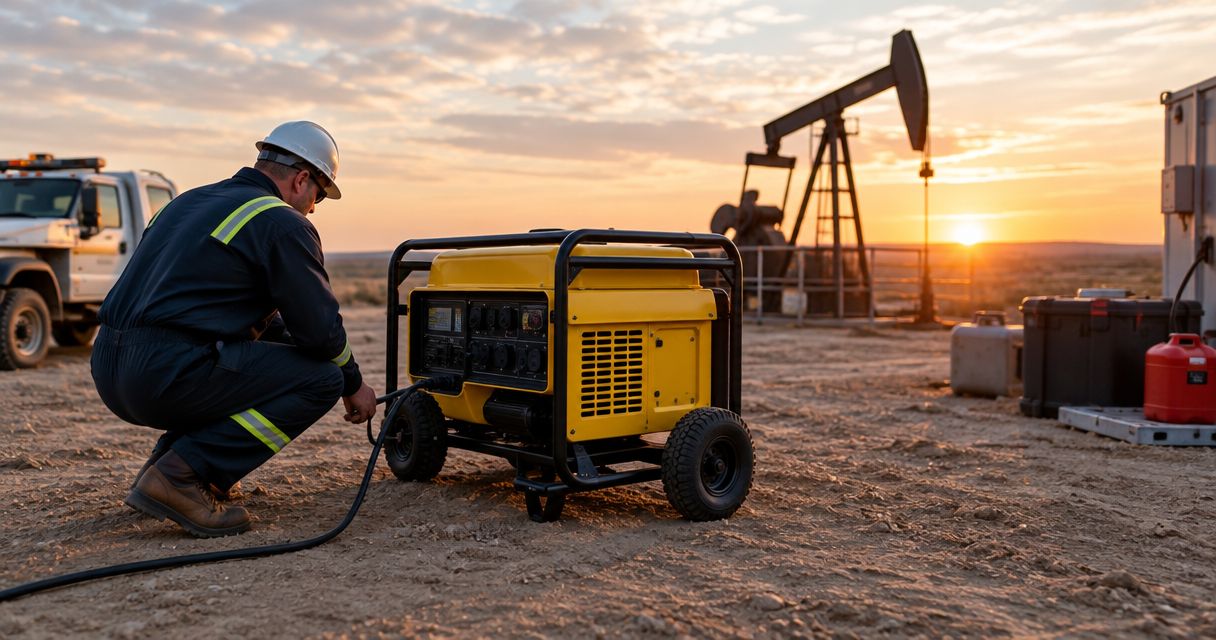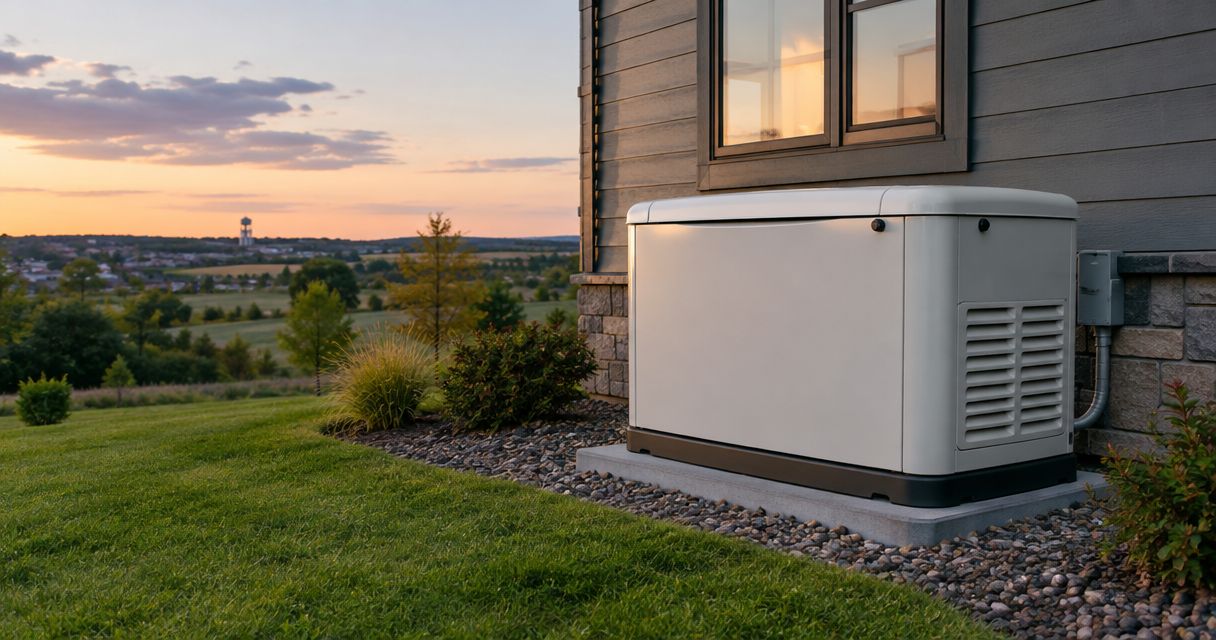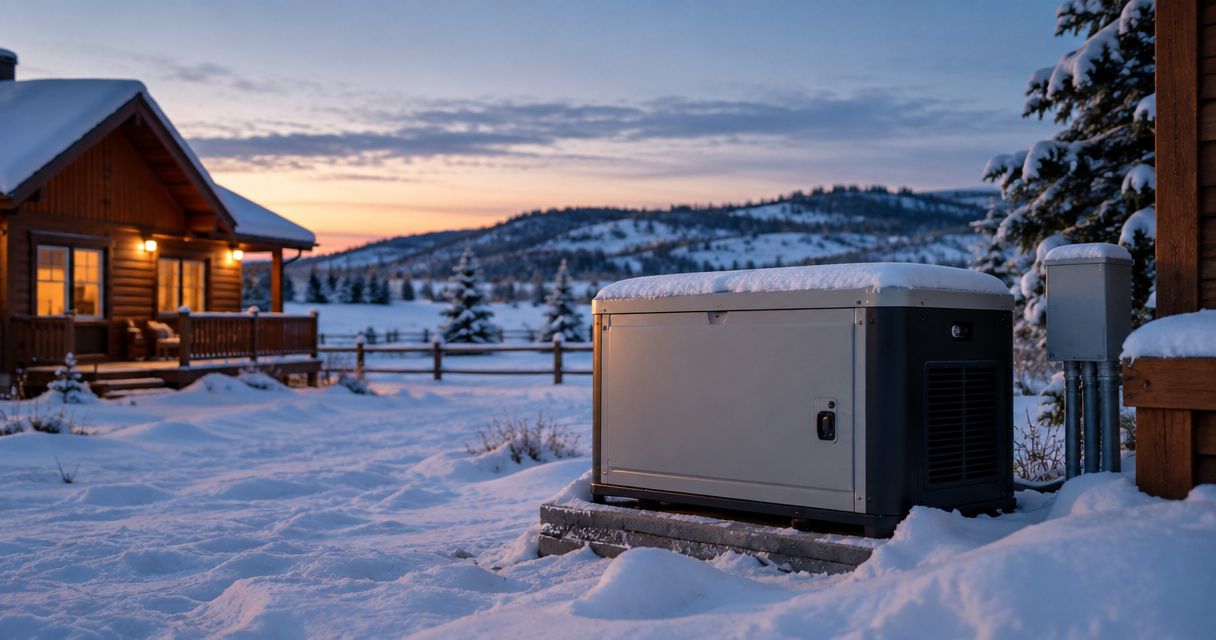
Best overall: Generac. Best premium whole-home standby: Kohler. Best for commercial and oilfield sites: Cummins. Best portable: Honda. Best budget portable: Champion. These are the best generator brands for North Dakota winters in 2026 if you need cold starts, clean fuel options, and a setup a licensed electrician can wire right.
- Generac wins most ND homes for whole-home standby in 2026.
- Kohler fits buyers who want quieter premium standby hardware.
- Cummins holds up on commercial and oilfield loads in deep cold.
- Honda leads portables; Champion covers tight budgets.
- Standby installs need a licensed electrician and a proper transfer switch.
Why this matters
North Dakota winters do not forgive weak starting systems. Ice, wind, and multi-day outages hit Watford City, the Bakken, and every farm road between. A generator that cranks in July and dies at −20°F is not a backup. It is a paperweight.
Electric heat, well pumps, and shop loads pull hard. Portable units cover short gaps. Standby units with an automatic transfer switch cover the real outages. Either way, fuel choice and cold-weather gear matter more here than brand ads.
If you need the unit tied into a 200-amp panel or a transfer switch, that work belongs with a licensed electrical contractor. Eagle Electric handles residential, commercial, and oilfield electrical work across this region. Clear written quotes. Same-business-day response on quote requests. No guesswork on the wire side.
What makes the best generator brands for North Dakota winters
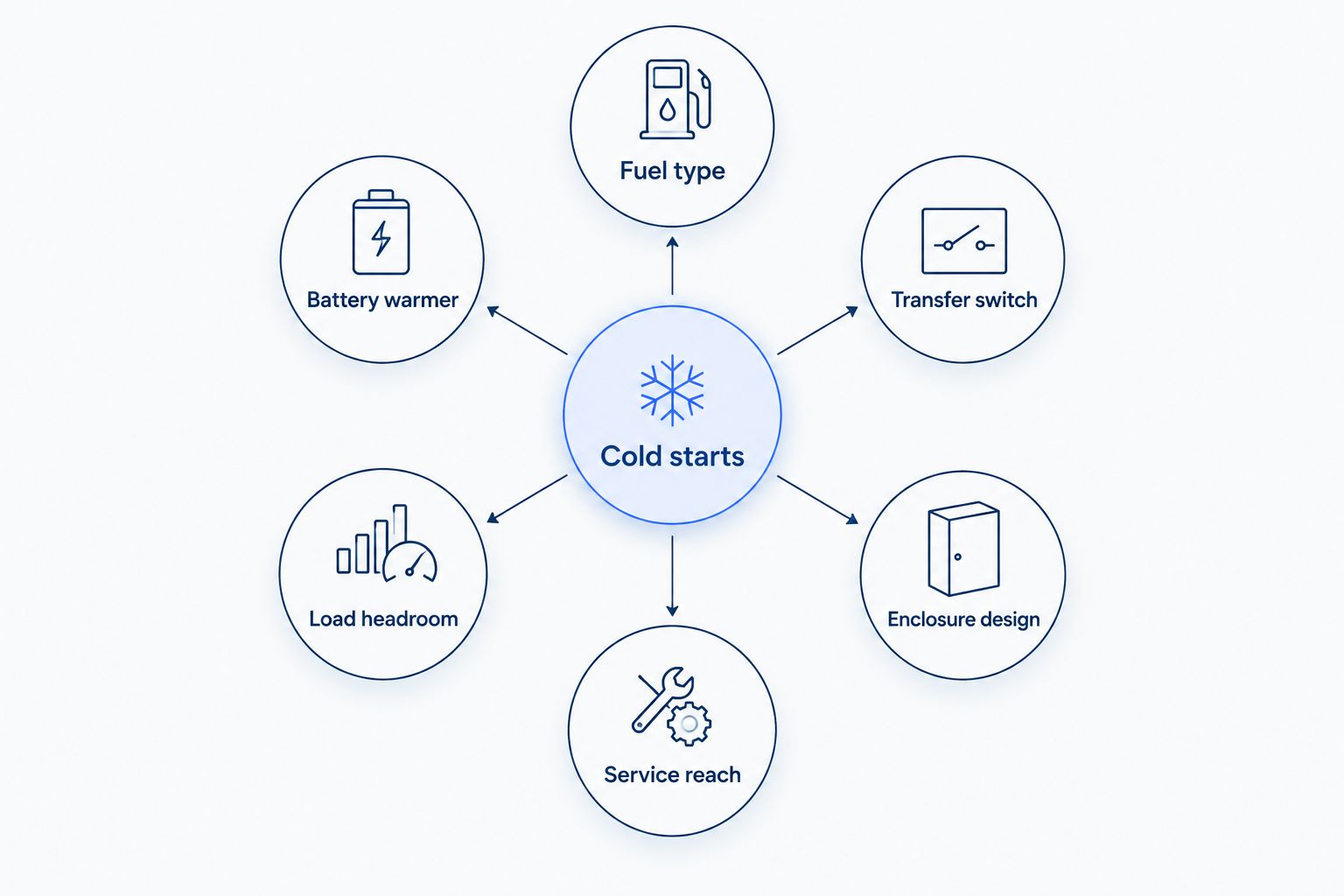
Use these checks before you buy. Skip any brand that fails more than one.
- Cold-start package — battery warmer, block heater, or equivalent cold kit. Bare batteries fail in deep freeze.
- Fuel that still flows — natural gas or propane beat diesel that thickens in extreme cold. Gasoline portables need fresh fuel and stabilizers.
- Transfer switch path — standby units need a listed automatic transfer switch and a clean tie-in to the service. No suicide cords.
- Enclosure and intake design — weather covers, elevated pads, and clearances that survive drifting snow.
- Parts and service reach — rural ND waits longer for exotic parts. Common platforms get fixed faster.
- Real load headroom — heat, pumps, and shop tools stack. Undersizing is the most common fail in 2026 installs.
Best generator brands at a glance
| Brand | Best for | Standout feature | Key limitation |
|---|---|---|---|
| Generac | Whole-home residential standby | Wide dealer/parts reach | Can run louder than premium peers |
| Kohler | Quiet premium standby | Strong build and smooth power | Higher buy-in; longer lead times |
| Cummins | Commercial and oilfield sites | Heavy-duty duty cycle | Overkill for small homes |
| Honda | Reliable portable backup | Cold-weather starting reputation | Not a whole-home standby platform |
| Champion | Budget portable dual-fuel | Propane option on many models | Shorter duty cycle than pro brands |
1. Generac: best generator brand for whole-home ND standby
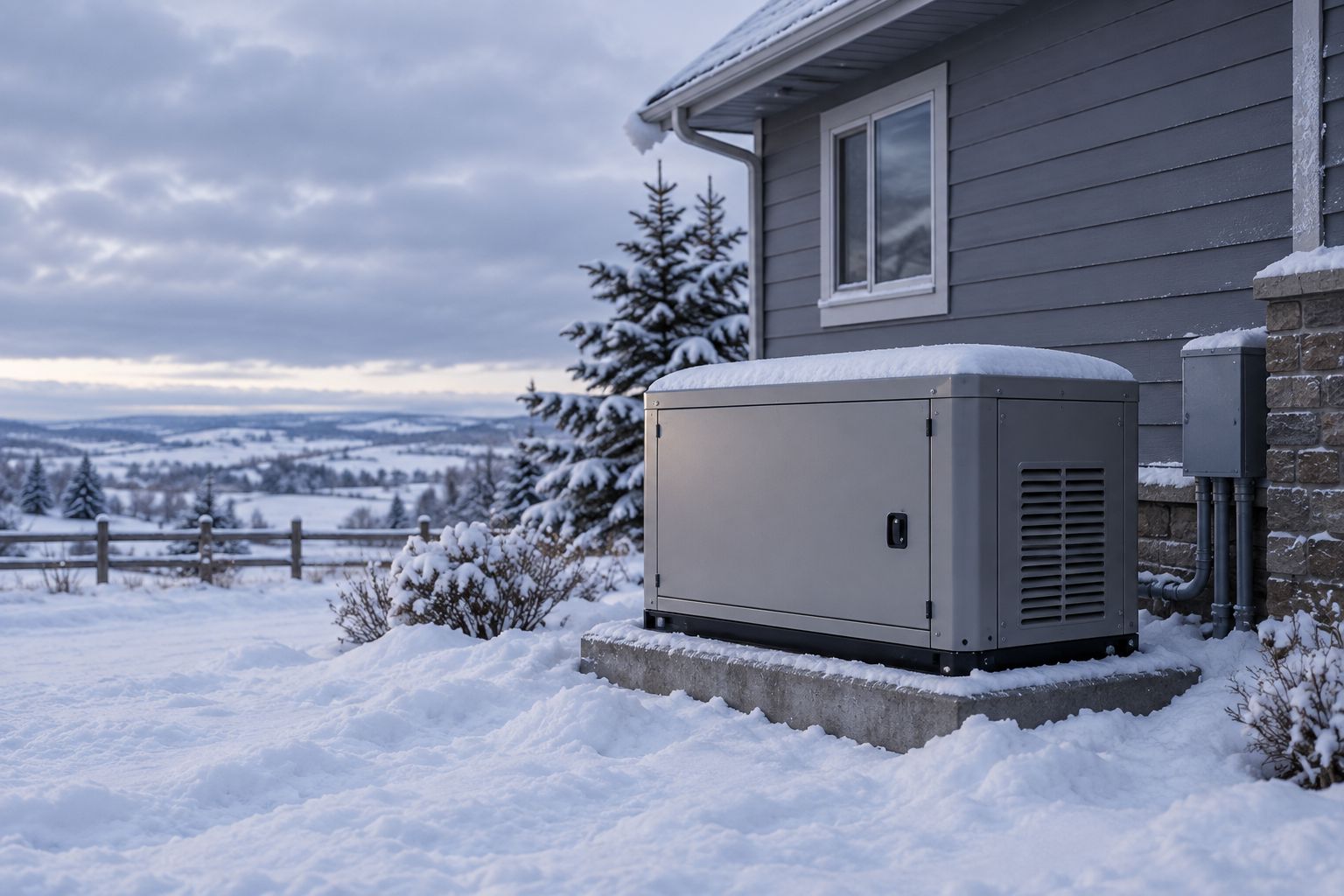
Generac is the default residential standby pick for most North Dakota homes in 2026. Air-cooled and liquid-cooled lines cover common house loads. Natural gas and propane options fit Bakken service territory where diesel storage is a headache.
Cold-weather kits and automatic exercise cycles keep the unit ready when the grid drops at 2 a.m. Dealer and parts coverage is broader than most rivals, which matters when a sensor fails in January.
Generac pros:
- Strong fit for whole-home automatic standby
- Natural gas and propane configurations common
- Parts and tech reach across rural markets
- Clear path to a listed automatic transfer switch
Generac cons:
- Noise levels sit higher than quieter premium brands
- Air-cooled units need honest load sizing for electric heat
- Cheap third-party add-ons cause more callbacks than the generator itself
Best for: homeowners who want automatic whole-home backup tied to the service panel.
Verdict: Buy for standard residential standby when a licensed electrician sizes the load and installs the transfer switch.
2. Kohler: best generator brand for quiet premium standby
Kohler targets buyers who want cleaner power and less noise outside the bedroom window. Build quality and voltage stability show up on sensitive electronics and well controls. Liquid-cooled options handle longer runs during multi-day ice events.
In 2026, Kohler still reads as the step-up residential and light commercial choice. Expect longer lead times than mass-market lines. Plan the pad, gas line, and electrical work before the crate ships.
Kohler pros:
- Quieter operation on many residential models
- Solid voltage quality for electronics and controls
- Durable enclosures for harsh weather
- Strong brand support on warranty claims
Kohler cons:
- Higher purchase cost than mass-market standby
- Lead times stretch during storm seasons
- Overbuilt for tiny cabins that only need a portable
Best for: homeowners and small businesses that want premium standby with lower noise.
Verdict: Buy when quiet operation and long run quality beat the lowest sticker.
3. Cummins: best generator brand for commercial and oilfield loads
Cummins owns the heavy side. Commercial buildings, shops, and oilfield sites across the Bakken need duty cycles that residential air-cooled units were never built for. Liquid-cooled platforms, tougher controllers, and industrial service networks match that work.
Fuel strategy still rules winter performance. Natural gas or properly winterized liquid fuels beat improvised setups. Pair the set with a transfer switch rated for the service and the load. Eagle Electric wires commercial and oilfield electrical work when the generator is only half the job.
Cummins pros:
- Built for long commercial run times
- Scales from larger homes to site power
- Industrial parts and tech channels
- Controllers suited to critical loads
Cummins cons:
- Cost and footprint exceed typical house needs
- Install complexity rises with size
- Poor fit for a small residential garage pad
Best for: commercial facilities, larger shops, and oilfield operators who need serious uptime.
Verdict: Buy for commercial and oilfield. Hold for small homes that never pull industrial loads.
4. Honda: best portable generator brand for ND job sites and short outages
Honda portables earn their reputation on starting and build quality. For barns, job trailers, and homes that only need a few circuits, a quality inverter portable beats a half-installed standby project. Inverter output is kinder to tools and electronics.
Portables are not whole-home automatic systems. You start them. You plug in through a listed inlet and interlock or a proper transfer setup. You store fuel so it is ready. In North Dakota winters, keep the unit dry, elevated, and outside — never in a living space.
Honda pros:
- Reliable cold-weather starting reputation
- Clean inverter power on many models
- Strong resale and parts longevity
- Right size for tools and essential circuits
Honda cons:
- Manual start and refuel discipline required
- Not a substitute for automatic standby
- Premium portable pricing versus bargain brands
Best for: portable backup, shops, and sites that do not justify a full standby install.
Verdict: Buy for portable reliability. Skip if you need hands-off whole-home coverage.
5. Champion: best budget portable brand with dual-fuel options
Champion covers buyers who need watts now without a standby budget. Dual-fuel models that run propane help when gasoline goes stale or runs short during a long cold snap. That fuel flexibility is the real winter feature.
Expect more owner maintenance and a shorter hard-use life than Honda. For occasional outages and light shop work, that trade is acceptable. For daily commercial runtime, step up.
Champion pros:
- Lower buy-in for basic portable power
- Dual-fuel / propane options on many units
- Easy to find and replace
- Fine for occasional essential circuits
Champion cons:
- Not built for continuous commercial duty
- Louder and less refined than top inverter brands
- Cold performance depends heavily on maintenance and fuel quality
Best for: budget portable backup and propane flexibility.
Verdict: Hold as a value portable. Skip as a primary commercial power plan.
Need the electrical side done?
Licensed ND crew. Written quotes. Same-business-day response on quote requests.
How we ranked
Ranking followed the winter checklist above, not brochure horsepower. Cold-start support, fuel that works in deep freeze, transfer-switch reality, enclosure practicality, parts reach in rural North Dakota, and honest load headroom carried the score. Noise and duty cycle separated premium and commercial picks from budget portables. No lab theater. No paid placements. Install truth first.
Safety stays non-negotiable in 2026: standby generators need a listed transfer method and a licensed electrician. Portable units run outside with dry, stable cord paths. Backfeeding a panel through a dryer outlet is illegal and lethal to utility crews.
Which generator brand should you choose?
Default residential standby: Generac. It is the practical whole-home pick for most North Dakota houses when paired with a correct transfer switch and load calc.
Want quieter premium standby: Kohler. Pay more, get smoother operation and tougher enclosures.
Commercial shop or oilfield site: Cummins. Size for real continuous load, not brochure peaks.
Portable only: Honda first, Champion if the budget is tight and dual-fuel matters.
Match the brand to the job, then match the electrical work to the brand. A strong generator on a weak or illegal hookup still fails. Eagle Electric installs and services the electrical side for homes, businesses, and oilfield operators across the Bakken region — panels, transfer switches, and the circuits that must stay up when the grid does not.
FAQ
What are the best generator brands for North Dakota winters in 2026?
Generac leads most residential whole-home standby needs. Kohler fits premium quiet installs. Cummins fits commercial and oilfield loads. Honda leads portables; Champion covers budget dual-fuel portables.
Is a standby generator better than a portable for ND winters?
Standby is better when you need automatic whole-home coverage during multi-day cold outages. Portables work for short outages and job sites but need manual start, refueling, and safe outdoor placement.
What fuel works best for generators in extreme cold?
Natural gas and propane stay usable in deep cold better than untreated diesel or stale gasoline. Portables on propane avoid a lot of winter fuel problems when the kit is designed for it.
Do I need a licensed electrician to install a standby generator?
Yes. Standby units need a listed transfer switch, correct bonding and grounding, and a permit-ready tie-in to the service. That is licensed electrical work, not a weekend cord job.
Can I backfeed my panel with a portable generator?
No. Backfeeding through a dryer or range outlet is illegal and can electrify utility lines. Use a listed inlet with an interlock or a proper transfer switch installed by a licensed electrician.
What size generator do I need for a North Dakota home?
Size from a real load calculation, not a guess. Electric heat, well pumps, and ranges dominate. An on-site review of the panel and essential circuits beats any rule of thumb.
How often should a standby generator be exercised in winter?
Run the automatic exercise cycle on schedule and keep the battery and heaters working. A unit that sits for months without a load test is the one that fails during the first ice storm.
Does Eagle Electric install generators in the Bakken region?
Eagle Electric is a licensed electrical contractor in Watford City, ND, and handles the electrical side of residential, commercial, and oilfield generator work across the region, including transfer switches and service tie-ins.
One last thing
The brand on the crate matters less than the pad, the fuel, and the transfer switch. In 2026, the generators that keep North Dakota homes and sites alive are the ones that start cold, feed clean fuel, and hand off power through gear a licensed electrician installed on purpose. Pick the brand that fits the load. Then wire it like the outage is already here.